

Can a video shot like a testimonial and a highly scripted brand film serve the same campaign? Yes, if their roles are clear, but they do not build the same relationship with the product. To frame the creative and budget trade-off, read our analysis UGC video or branded content: how to choose.
A UGC video and a branded video differ first in their voice, the degree of art direction and the space given to the brand. The former often relies on a personal story close to everyday use. The latter keeps tighter control over the message, the visual world and the narrative. The choice depends on what the viewer needs to understand or feel, and then on where the video will be shown.
What Role Does Each Format Play in the Purchase Decision?
Imagine the launch of a skincare product. Someone showing how they fit it into their routine makes the gesture tangible. A brand film, on the other hand, can build a world around the formula, the expertise or the promise. The right format therefore depends on the information to convey and the product's place in the story.
A UGC video often works as a demonstration or testimonial from the user's point of view. A branded video can tell a broader story, establish a specific aesthetic or present several selling points in a set order. These formats are not mutually exclusive: one can introduce a use, the other can deepen the brand's identity.
Whatever its style, video fits into a wide range of purchase journeys. In its 2026 edition, the Wyzowl survey of 266 people carried out in late 2025 reports that 85% of consumers surveyed say a video has convinced them to buy, without singling out any particular type of creative. This finding supports the value of video as a format, not the superiority of one style over another, as the Wyzowl 2026 survey makes clear.
What Exactly Is UGC Content?
Before comparing the results, be clear about who creates the video and under what conditions. Strictly speaking, user-generated content, or UGC, is published by customers or community members. A brand can then ask for permission to reuse it on its own channels.
In marketing briefs, "UGC video" sometimes also refers to a video commissioned from a creator, shot in a spontaneous style close to social content. It is not necessarily an independent testimonial: the person may follow a script, present requested selling points and be paid. Distinguishing the origin of the content from its appearance helps you choose the right words and prepare the necessary permissions.
If your hesitation is more about creator-style content versus a more traditional ad, our article on UGC video or traditional video advertising covers that comparison in detail. Either way, the tone of the video is no substitute for a clear product demonstration or an understandable message.

When Does Branded Video Become More Useful?
Conversely, tightly controlled art direction suits campaigns where every visual detail matters. A brand can set the scenery, pace, colours, vocabulary and order of messages. This control is particularly suited to a launch that requires a consistent presentation of several features, or to a story in which visual identity plays a central role.
Creative control does not necessarily mean a solemn film far removed from social media conventions. A branded video can be short, direct and vertical while keeping a clearly defined staging and voice. The useful criterion is its ability to create the intended perception without muddying the message.
For an acquisition campaign, a creative with a spontaneous tone can be designed as an ad and tested with several hooks. For an organic presence, the challenge is rather to build a recognisable editorial line over time. Our guide on UGC ads or organic content helps distinguish between these uses.
Perceived Authenticity: Should the Two Formats Be Pitted Against Each Other?
A spontaneous look is not enough to make a video credible. Viewers notice any mismatch between the tone adopted, the experience described and the proof shown. A convincing testimonial stays specific: it describes a use, gives a concrete example and avoids vague promises.
A 2024 survey by MASV and Dynata reports that 81% of consumers surveyed said they trusted UGC videos more than professionally produced brand videos or influencer content. This figure describes a stated perception in that survey, not a guarantee of conversion for every campaign. It is an invitation to test tone and testimonials, as detailed in the 2024 MASV report.
To check a creative's credibility, ask yourself whether the experience seems plausible, whether the core argument is easy to understand and whether the footage actually shows the product or service. A branded video can also meet these criteria, whereas a UGC-style video can feel artificial if every line sounds recited.
To look at a concrete beauty creative, see this UGC video example. Focus above all on how the product, the story and the target audience fit together, rather than automatically equating an amateur look with greater authenticity.
How Do You Choose and Test the Right Format?
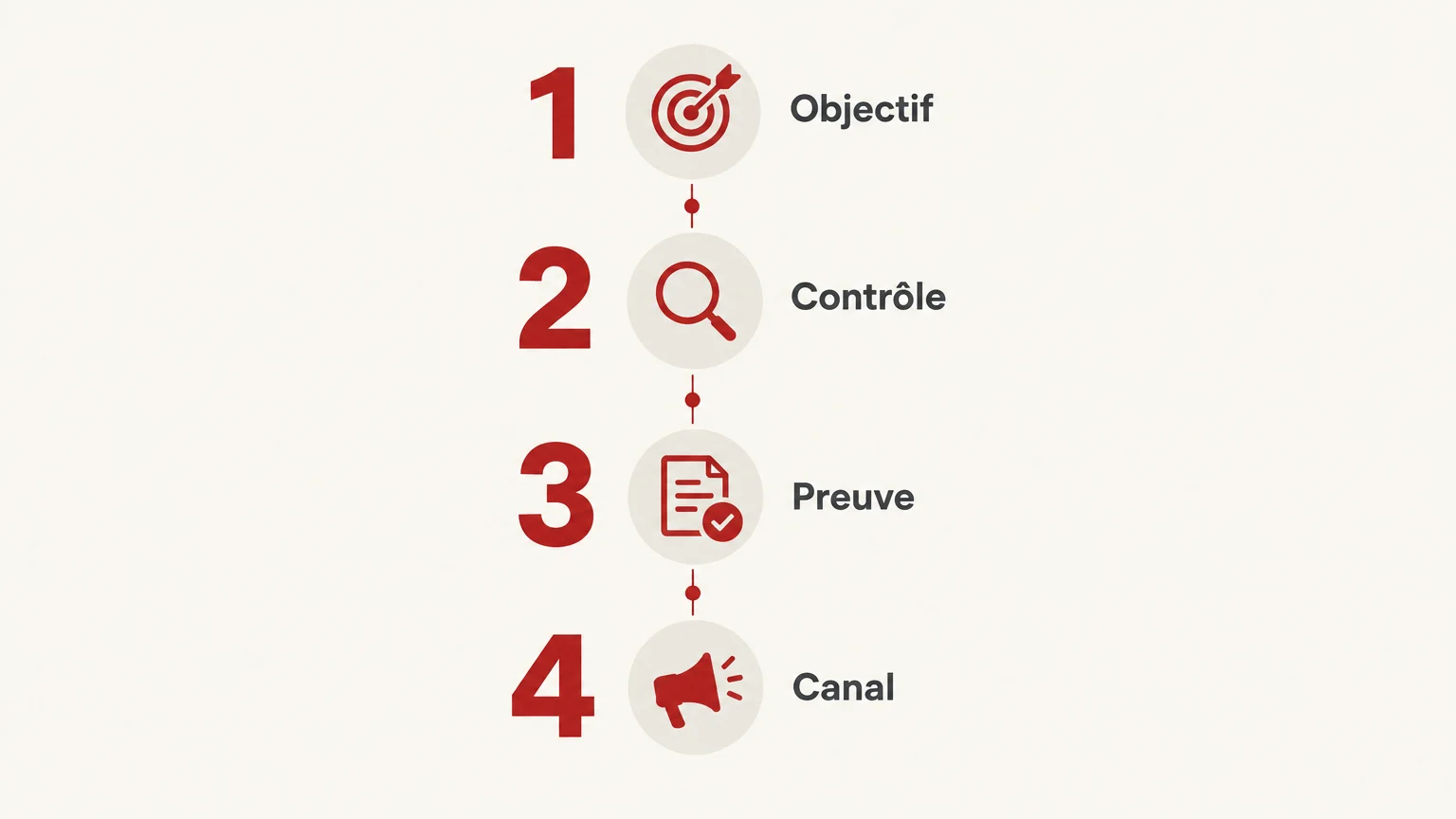
Faced with two creative ideas, start by writing the goal in one sentence: introduce a use, explain a difference or establish a brand world. Then match each idea to an audience and a channel. This step stops you choosing a format simply because it seems more natural or more polished.
Next, set the criteria that must not change during the test: the product shown, the target audience, the call to action and the destination after viewing. You can then compare two creative approaches, such as a to-camera testimonial and a brand-directed video, without confusing style with the campaign's other variables.
Nor does the market context point to a format that wins everywhere. In the advertising comparison from the DGTL study carried out in Canada in 2025, 57% of respondents preferred professional video, compared with 43% for UGC-style video. This result is a reminder that preference depends on the audience and the content assessed; it does not predict what a French audience will choose. The comparison results are set out in the DGTL 2025 study.
To measure the test, link each metric to the goal: retention indicates attention, clicks indicate interest in the offer, and conversions indicate the desired action. Views and likes add context but do not replace metrics tied to the intended outcome. Apply the same evaluation rules to both creatives.
Put the Goal Before the Format
The choice between a UGC video and a branded video depends first on the story you want to tell and the level of creative control required. Compare the relevance of the testimonial, visual consistency, the proof provided and fit with the channel. If both approaches serve the same goal, test them using identical criteria and keep the one that best drives the desired action.
Plan a Production Suited to Your Goals
Choosing a format works best when it is tied to the brief, the audience and the distribution channel, rather than to an isolated aesthetic preference. To compare several angles, a team covering scriptwriting, shooting, editing and adaptations can simplify production.

At Esekai, we produce vertical videos, creative ads, UGC-style content and organic videos. We adapt creatives to the way people use TikTok, Instagram Reels and YouTube Shorts rather than duplicating them identically. We have worked with more than 350 brands. Production can be combined with media management or social media management. Pricing is quoted according to volume and the level of management required. To discuss your goals, you can discover our UGC video production.
Frequently Asked Questions
Does a UGC video have to be filmed by a customer?
Strictly speaking, UGC is created and shared by a user. A video commissioned from a creator can adopt UGC conventions without being spontaneous customer content.
Is a UGC video automatically more authentic?
No, authenticity depends on the consistency between the story, the experience shown and the tone used. An over-rehearsed testimonial can seem artificial, whatever the format.
Can you use a UGC video in an ad?
Yes, provided the necessary usage rights have been cleared and the creative matches the advertising goal. Also check that the message and the call to action are easy to understand.
Which format should a premium brand choose?
A branded video makes it easier to control the visual world and the narrative. A more personal approach can also present a concrete use, as long as it stays consistent with the desired positioning.
How do you compare the two formats?
Test creatives that serve the same goal, with a comparable audience and call to action. In our vertical video production, we adapt scripts and edits to the chosen platforms and goals.