

A spontaneous testimonial, a demonstration in a few simple steps or a filmed unboxing can each tell a different story. To choose the format that suits your brand, start from a genuine need of your audience, then build a video around a single idea. To see a real-world production, you can explore examples of UGC videos.
The term UGC originally refers to content created by users. In campaigns, it also often refers to videos commissioned from creators, with a tone close to social content. In both cases, the video must remain clear, credible and suited to how it will be distributed, whether organically or as an ad.
7 UGC Video Examples to Adapt to Your Brand
Imagine someone discovering your product for the first time. A product unboxing can show the parcel being opened, the details of the packaging and the first reaction. To avoid a result that feels too much like an ad, keep the gestures and comments natural, without inventing an enthusiastic reaction.
- Product demonstration: show a specific feature or use. For example, present three steps for using a kitchen accessory rather than listing its specifications.
- Customer testimonial: start from a real experience and explain the context, the need and what the person genuinely appreciated. Don't attribute results to the product that the testimonial does not confirm.
- Tutorial or routine: film a sequence the audience can reproduce, such as a beauty routine or a simple recipe. Show the steps in order, with a visible action in each sequence.
- Problem and solution: open on a familiar situation, then show how the product fits into everyday use. Avoid promising results that have not been established.
- Practical comparison: contrast two ways of carrying out a task or choosing a product, using visible and verifiable criteria. The comparison should inform a choice, not disparage a competitor.
- Answering a question: turn a frequently asked question into a short video. A creator can answer to camera, then illustrate the answer with a demonstration.
- Behind the scenes or vox pop: reveal a stage of production, a location or several opinions gathered with consent. This format works well when the human experience is part of the story you want to tell.
The DGTL 2025 report by Léger distinguishes professional video, associated with a polished image, from the UGC style, which favours authenticity and closeness when the product's benefits support the decision. These formats can serve different objectives. To see variations on this topic, you can also see examples of authentic or simulated UGC.
How Do You Make a UGC Video Credible Without Overacting?
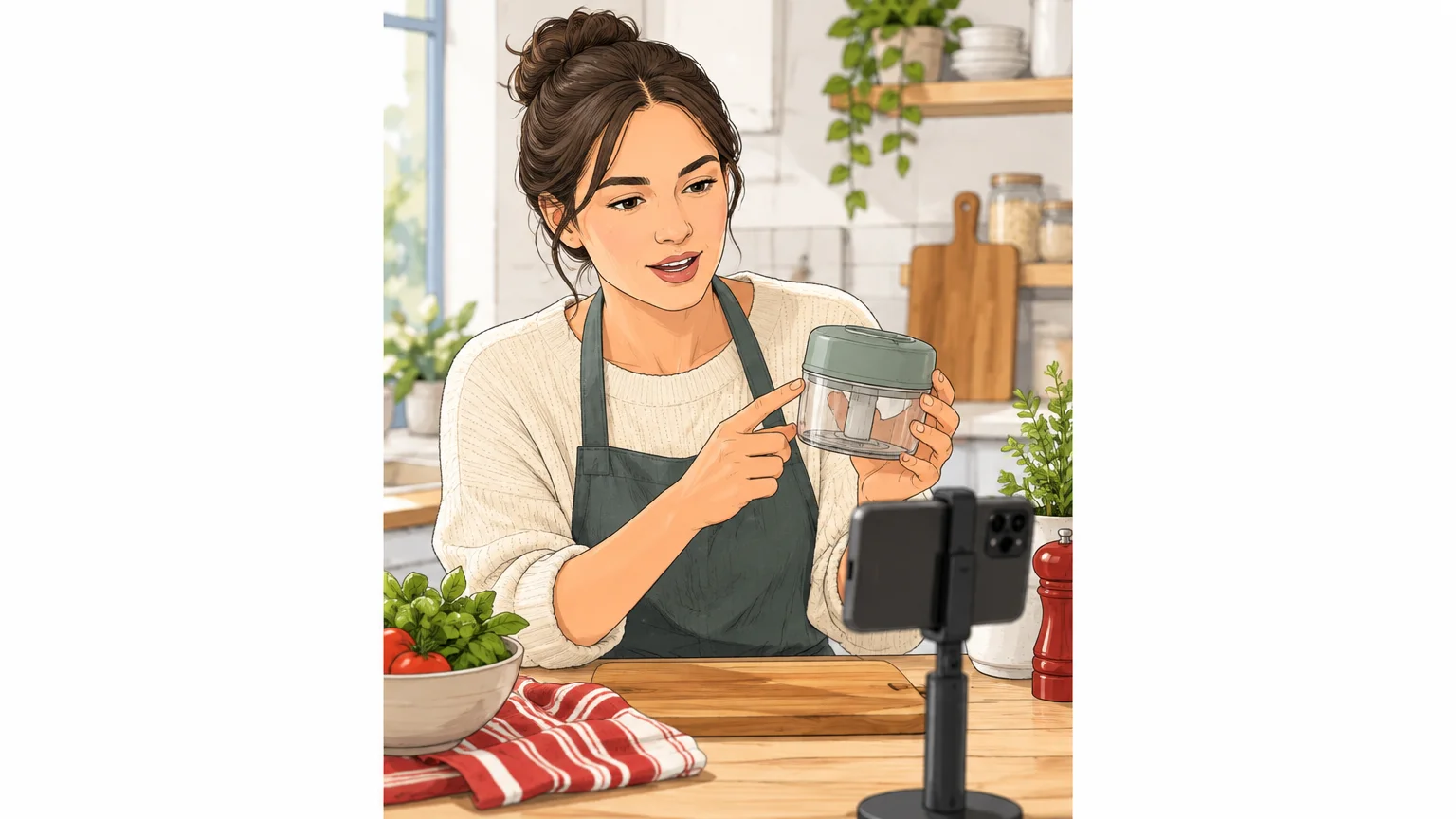
A video feels credible when its story matches a plausible experience. A UGC script can include a hook, a few points to show and a conclusion, while letting the person express themselves in their own words. The script should guide the shoot, not manufacture a review.
A simple test is to mute the sound and watch the first few seconds. Is it clear what is being shown? Then listen to the video without looking at the picture. Are the situation and the benefit mentioned still clear? If either test fails, simplify the hook or make the demonstration more visible.
Also make sure you distinguish a customer testimonial from content created by an actor or a paid creator. The style may be similar, but the origin of what is said is not. A brand is better off not presenting a staged experience as a spontaneous customer review.
How Do You Adapt a UGC Video Example for TikTok and Instagram?
The same concept can be adapted without reposting exactly the same video everywhere. Keep the central idea, then adjust the pacing, hook, subtitles and conclusion to how each platform is used. A demonstration might therefore open with the problem on one platform and with the visible result on another.
An analysis published on 31 October 2026 by UGC Agent examined 11,849 videos from 46 brand programmes, published between 1 August and 30 October 2026. In this sample, videos lasting 60 seconds to 2 minutes achieved 1.82 times their programme's median number of views, compared with 0.87 times for those lasting 15 to 30 seconds, according to their 2026 UGC data. This result describes these programmes, not a universal ideal length. Test several lengths with a comparable objective and audience.
To prepare tailored variations rather than duplicating an edit, define what should stay the same, such as the product shown or the benefit explained. Then change one element at a time, for example the hook or the length. This method helps you understand which variation is worth keeping. To broaden your inspiration, you can explore examples of UGC videos for brands.
Which Criteria Should You Check Before Publishing Your Video?
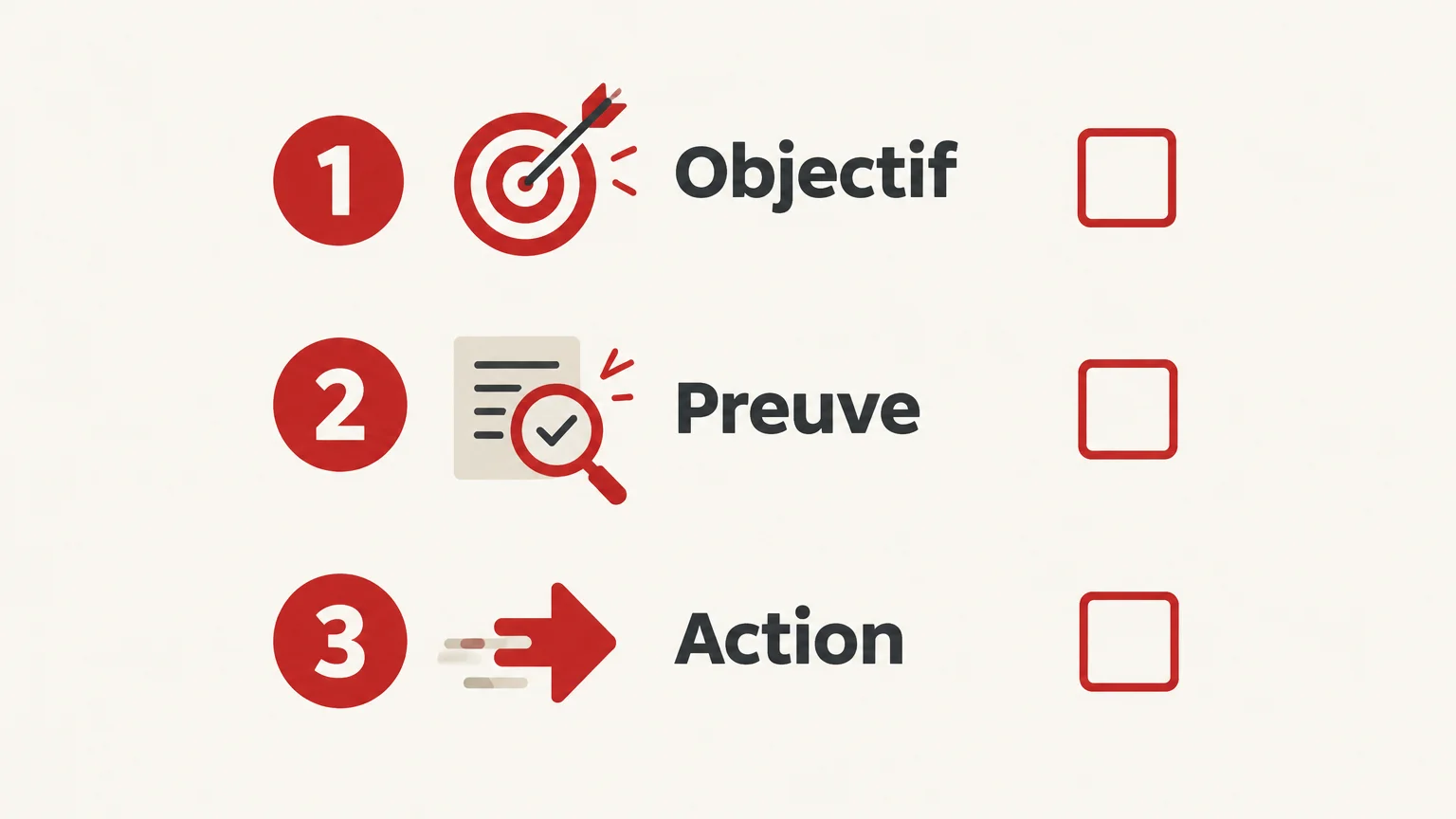
Before the shoot, answer three questions: what objective are you pursuing, what proof can the video show and what action do you want to suggest? One answer per question is enough to clarify the brief. This creative framework avoids cramming several messages into a short sequence.
- Objective: visibility, showing a use, a store visit or conversion?
- Proof: a filmed demonstration, a product detail, a verifiable review or an answer to a real question?
- Action: follow an account, visit a page, request information or discover a point of sale?
Also check that the person filmed has given their consent and that the claims about the product are accurate. If the video is to be used in advertising, clarify the usage rights and the expected variations before production. This avoids creating content that does not match its intended uses.
To compare scenarios and campaign formats, you can also browse examples of UGC campaigns.
How Do You Measure the Impact of a UGC Video?
A video with lots of views has not necessarily achieved its objective. Choose your metrics according to the expected action: retention and watch time to assess attention, clicks to measure interest in a page, then conversions when the objective is commercial.
A working paper published in 2026 by MediaLabs Research tracked 51,843 TikTok Shop videos in the United States between 19 September and 18 October 2026. It highlights that views, engagement and revenue provide different information in this sample of best-selling videos. The results therefore do not describe UGC content as a whole. To assess your own video, track several metrics with UGC performance measures in mind, then compare creatives aimed at the same audience and the same objective.
Record the concept, hook, length, platform and result of each variation. After several tests, you will be able to identify which elements to reuse and which to change. A team that handles the script, shoot and edit can also produce variations adapted to each platform's conventions, rather than identical copies.
Key Takeaways for Choosing Your UGC Format
The best UGC video example for your brand is one that shows a credible situation and meets a specific objective. Choose a simple format, include concrete proof and adapt the edit to where it will be shown. Then measure the results with metrics consistent with the expected action, not just the number of views.
Bring Your UGC Video Ideas to Life
If you have identified several formats but want to turn them into ready-to-publish content, a structured production process makes it easier to go from concept to edit. The script, shoot and variations can be planned together, according to your audience and your platforms.

We have worked with more than 350 brands, and our in-house team brings together strategists, videographers and editors, from script to delivery. During a free 30-minute meeting, we clarify your objectives and needs, then provide you with a content plan with no obligation. To find out more, discover our UGC production service.
Frequently Asked Questions
What Is a UGC Video for a Brand?
It is a video that adopts the conventions of user-created content, such as a testimonial or a demonstration. It may come from a customer or be commissioned from a creator, which should be made clear.
What Are the Easiest UGC Formats to Produce?
A demonstration, an answer to a question and an unboxing can all be shot around a single idea. Prepare a hook and the elements to show, then keep the delivery natural.
Does a UGC Video Always Have to Be Short?
No, its length depends on the message and the attention needed to understand it. Test several comparable lengths and assess them against your objective, rather than applying a single rule.
Can You Use the Same Video on TikTok and Instagram?
You can reuse the same concept, but it is better to adjust the hook, edit and subtitles for each platform. Compare the results of the variations to determine what works with your audience.
How Can Esekai Help You Create UGC Videos?
We can handle production, from script to shoot and edit, with variations designed for the relevant platforms. The initial meeting lasts 30 minutes and is free, with no obligation.