

A compelling video ad starts before the shoot, with a simple decision about the expected outcome. Do you want to raise awareness of a product, drive a store visit or get a sign-up? The answer determines the angle, the proof to show and the final action. To see where each step fits, take a look at the stages of video production, from script to delivery. Designing the message and the visuals together stops preparation from being reduced to a standalone voice-over.
The question “how to create a video ad” calls for an editorial and operational method. A good script connects the target audience, the value proposition and a scene that can actually be filmed. It also plans versions to compare and a metric to judge how well they perform. Finally, the choice of format and call to action depends on the platform and the campaign objective.
What Result Should the Video Drive?
Say you are launching a new product. Before choosing music or a set, decide whether the video should explain how it works, bring visitors into a shop or trigger an online purchase. This objective sets the core promise and the next action to suggest to the viewer.
Next, describe the audience in concrete terms. Note what they are looking for, the obstacle holding them back and what could convince them. A useful creative brief brings together this information, the key message, the supporting proof, the target platform and the production constraints. To organise these decisions, you can use a video creative brief template.
Choose a metric that matches the goal. An awareness video calls for a different measure from a video aimed at clicks or conversions. Think with Google’s playbook on creative for performance marketing focuses precisely on the link between creative and campaign objective. Read this Think with Google playbook to frame this choice.
How Do You Turn a Brief into a Filmable Script?
Imagine your audience is hesitant to try a service because they don’t understand how it works. Open on that difficulty, show a concrete answer, then finish with a clear action. This progression gives people a reason to watch rather than lining up a string of sales arguments.
The narrative frameworks in the TikTok for Business guide include sequences built on a problem and its solution, or on a reveal followed by a call to action. Adapt this structure to your product and your audience rather than copying a template word for word.
In the video ad script, keep the spoken lines separate from the directing notes. Specify what the viewer sees, what they hear and the text displayed on screen. One line can cover the hook, another the demonstration, then the proof and the call to action. To structure a creative ad script, also think about possible variants: several hooks or proofs can rely on the same scenes.
Keep every sentence natural when spoken. Read the text aloud and check that the visuals add something to the message. If the promise is saving time, show an action that illustrates that benefit. Avoid having the script say what the footage can demonstrate directly.
Why Write the Visuals, Not Just the Lines?
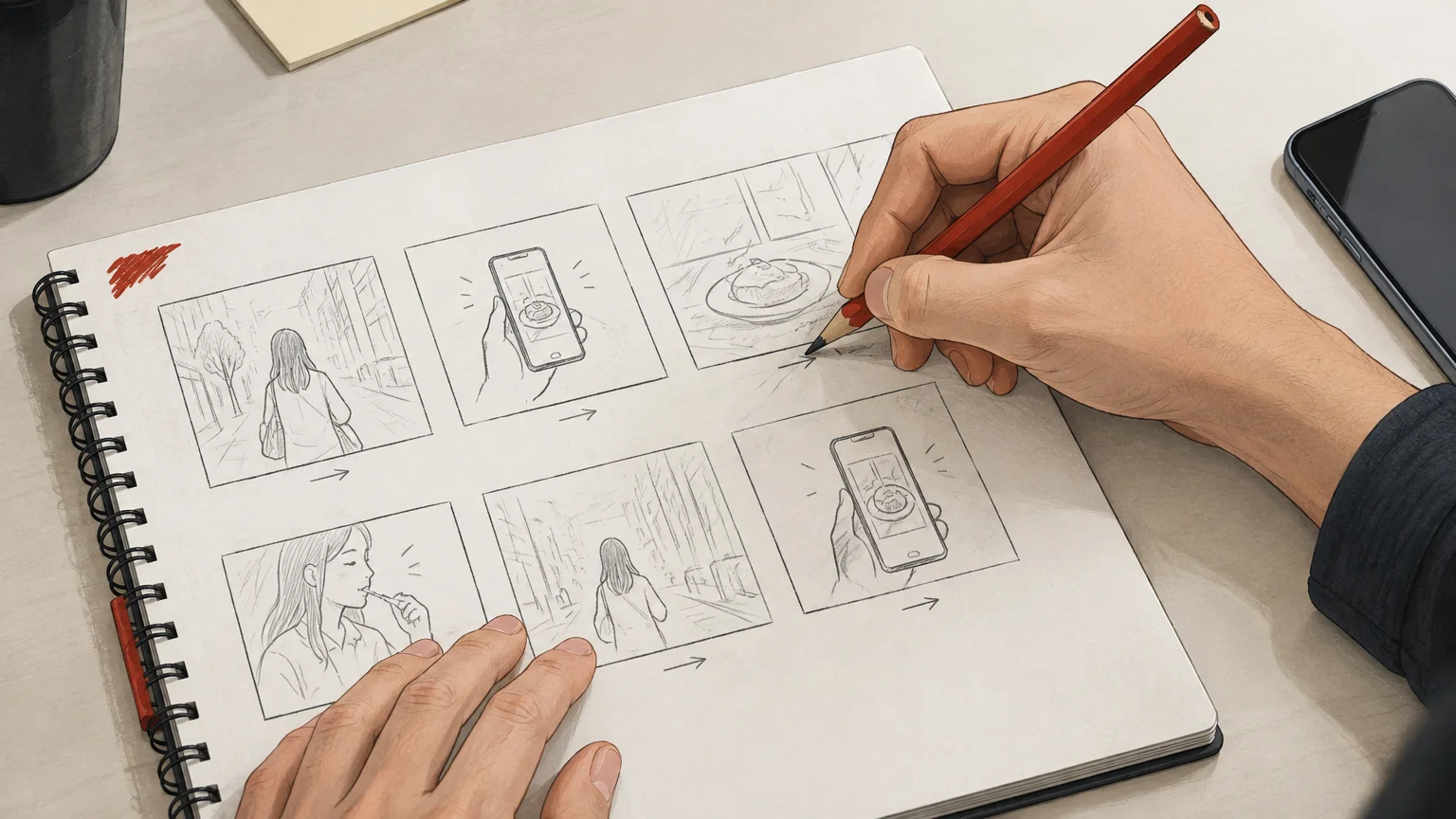
A script becomes easier to shoot when it also describes the shots. Specify the framing, the gesture, the set, the sound and the on-screen text. This visual hook can be a demonstration, a product detail or a familiar situation. What matters is that it introduces the subject quickly without promising more than the video shows.
The storyboard helps spot missing sequences before the shoot. It also helps check that each shot contributes to the message rather than repeating the same information. A Think with Google guide on performance-driven creative can add to this thinking, but the decision must remain tailored to your audience and your campaign.
Plan the useful variations at this stage. You could, for example, shoot two different openings, then keep the same demonstration shot and the same call to action. This approach makes the creative variants comparable without rewriting or reshooting the whole video.
What Should You Prepare for the Shoot and Edit?
On set, use the storyboard as a shot list and check each scene before moving on to the next. Film the essential elements, the demonstration gestures and a few additional shots. If the video needs to feel personal, the choice of on-screen talent and the way they speak must match your brand.
The edit brings together picture, sound and text following the script’s progression. Check that the idea is understandable without further explanation and that the subtitles are legible on a phone. The call to action must be visible and lead to a page consistent with the video’s promise.
To hand these stages over to a team, we bring together strategists, videographers and editors within our production. We have worked with more than 350 brands. Depending on the project, we track metrics such as views, retention, engagement, clicks or conversions. You can also hire a video ad creator to prepare a production tailored to your needs.
What Should You Check Before Going Live?
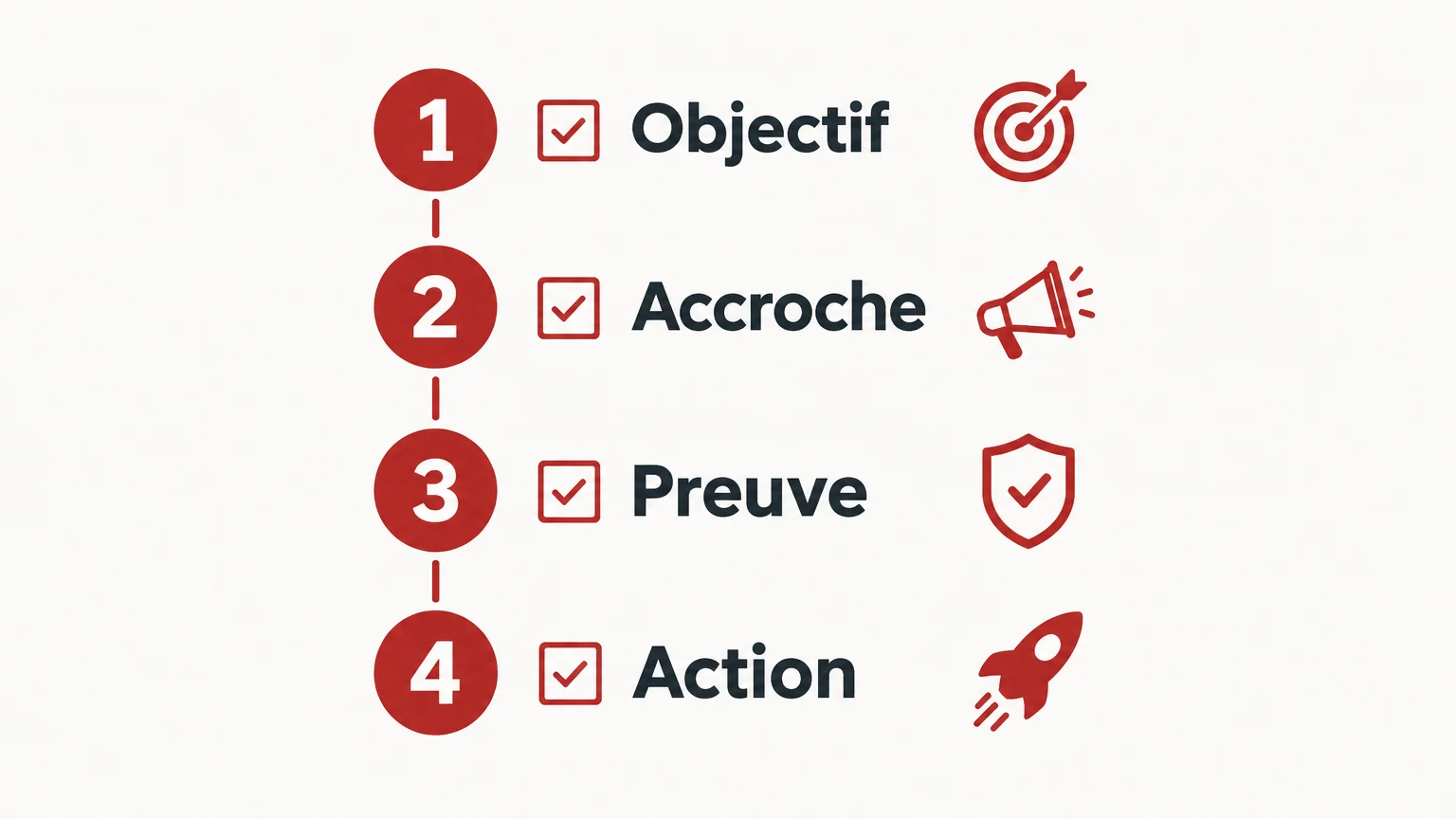
Before going live, check that the objective, hook, proof and action are immediately clear. Also check the sound, subtitles, framing and landing page. A short checklist reduces oversights without slowing down sign-off.
To compare two creatives, first change one important element, such as the hook or the demonstration, and keep everything else as stable as possible. The Google Ads video experiments tool lets you compare video ads with the same audience to identify which one generates the most interest.
After launch, review the performance metrics tied to your objective. Strong retention may signal that the story is holding attention, while clicks or conversions tell you about the next stage of the journey. Use these observations to decide what to keep, change or test in a future version.
Key Takeaways for Creating Your Video
Effective video ad creation starts with a clearly defined objective and audience. The script must plan the words, the visuals and the expected action, then guide the shoot and the edit. Before going live, check the message and test comparable variants. The results will help you steer your next creatives.
Give Your Project a Clear Creative Framework
Do you have a message to get across but aren’t sure about the angle, the script or the scenes to shoot? We can connect these decisions from the planning stage, so that the production serves your objective and fits your audience. The first step is to define the need, the format and the level of support you want.
Our team works on creative ads for digital advertising, as well as UGC videos and organic content. We handle strategy, scriptwriting, shooting and editing, with variations for each platform. To discuss your project, discover our creative ads offering.
Frequently Asked Questions
How long should a video ad be?
The length depends on the objective, the platform and the complexity of the message. Keep only the sequences needed to explain the promise and guide viewers towards the action.
What should a video ad script include?
Plan the hook, the message, the visual directions, the proof and the call to action. Details on framing, sound and on-screen text also make the shoot easier.
Should you write the scenes before the shoot?
Yes, a scene plan helps organise the takes and spot missing footage. It also lets you check that each sequence serves the main message.
How do you know if a video ad is working?
Choose metrics based on the objective, such as retention, clicks or conversions. Compare variants by changing only one element at a time.
Can the same team handle both the script and the production?
Yes, we cover the whole production chain, from script to delivery, with expertise in strategy, shooting and editing. The scope is defined by the volume of videos and the level of support you need.