

Two brands can publish the same vertical video and get opposite results: the right choice depends on the role of the content, not just the format. For brands torn between TikTok and YouTube Shorts, we also cover TikTok or YouTube Shorts: how to choose for your brand. TikTok prioritises a discovery journey within a video feed, whereas YouTube combines short formats, long-form videos, channels and search. The real question is where your audience starts and what action you expect them to take next.
In the United Kingdom, in May 2025, YouTube reached 94% of online adults, compared with 56% for TikTok, according to the Ofcom 2025 report. This comparison describes reach in one specific market, not a universal winner. Audiences, objectives and formats shift the balance; short videos do not sum up the whole of YouTube.
TikTok vs YouTube at a Glance
Whether your priority is rapid discovery, explainer videos or building a content library, you won't necessarily choose the same path. This table summarises the key differences before we compare each platform in detail.
| Criterion | TikTok | YouTube |
|---|---|---|
| Discovery | A feed of short videos driven by personalised recommendations. | Home, recommendations, subscriptions and search lead to videos and channels. |
| Search and shelf life | Search is used to find videos and topics, alongside the feed. | Search and channels make it easier to build a searchable video library. |
| Formats | Short vertical videos and live videos. | Shorts, long-form videos and live videos sit side by side. |
| Uses for a brand | Show a use case, test an angle or introduce an offer with a short video. | Develop tutorials, series or a channel, and combine Shorts with long-form videos. |
| Monetisation | Native schemes and brand partnerships, depending on rules and markets. | Advertising revenue and other schemes for creators, subject to eligibility. |
TikTok: Discovery in the Feed Comes First
Imagine a brand that wants to show quickly how a product is used. A vertical video built around a clear demonstration fits TikTok's discovery logic well. People may come across the content without having searched for the brand specifically. The hook therefore needs to show quickly what the video offers.
Ideal for: raising awareness of an offer, testing creative ideas and publishing short videos that address a concrete use. For a brand, each video can present a distinct situation, demonstration or question. It's worth measuring views, but also retention, interactions and the actions you want people to take.
Pros:
- The short format lets you test several angles around the same offer.
- The recommendation feed exposes content to people who don't yet follow the account.
- A visual demonstration can make a use case instantly understandable.
Cons:
- A short video leaves little room for detailed explanations, comparisons and the terms of an offer.
- Fast-moving topics require regular editorial follow-up to stay relevant.
YouTube: Short and Long-Form Videos Together
What if a video needs to grab attention and then lead to a more in-depth explanation? YouTube lets you bring short videos, long-form videos and a channel together in the same environment. A Short can introduce an idea or a clip, while a longer video covers the subject in detail.
Ideal for: answering specific questions, explaining a product or building reusable content on a channel. In the United States, a 2025 Pew survey indicates that 84% of adults use YouTube, compared with 37% for TikTok. YouTube is used by a majority of adults in every age group studied; TikTok is used more by young adults. These figures describe the United States and do not automatically apply to every market.
Pros:
- Shorts and long-form videos can serve different stages of the content journey.
- A channel lets you organise videos around a topic, a product or an area of expertise.
- Videos can answer specific searches, as well as being recommended on the home page.
Cons:
- A long-form video requires more preparation if the subject needs a structured explanation.
- A channel publishing several formats must keep a clear editorial line for its audience.
Discovery, Search and Shelf Life: Two Journeys

Someone scrolling through a feed and someone looking for a tutorial don't have the same intent. TikTok relies heavily on discovery through recommendations, while YouTube also lets people find videos through search and channels. An empirical study presented at the CHI 2024 conference analyses engagement with short-video recommendations on TikTok. It describes usage in which the personalised feed plays a central role, without making it possible to predict the results of any particular account. CHI study on TikTok
For a brand, this changes how you build the topic. A video designed for discovery can open with a scene, a question or a visible result. Content intended to answer a search must clearly state the problem it addresses and provide a complete answer. On YouTube, Shorts can also feed a channel and steer viewers towards a long-form video; this transition remains an editorial goal, not an automatic outcome.
Advertising and Monetisation: Separate the Objectives
When a brand invests in advertising, the question isn't just where a video will be published. You need to separate the cost of creation from the media budget, then measure results against the objective: visibility, visits, leads or sales. Creative that works in a short-video feed doesn't necessarily meet the same needs as longer explainer content.
For creators, both platforms offer monetisation schemes whose rules, access criteria and availability depend on the programme and the market. Brand partnerships are another route, separate from revenue paid out by a platform. Before comparing potential earnings, check the eligibility criteria that apply in your country and to the format concerned; view counts alone cannot give a reliable revenue estimate.
For a business, creator revenue is not the right yardstick for choosing. Instead, compare production costs, media budget, the quality of the actions generated and the ability to reuse or adapt your creative. Your advertising budget and production costs should remain two separate lines in your plan.
How Do You Choose the Right Platform for Your Brand?
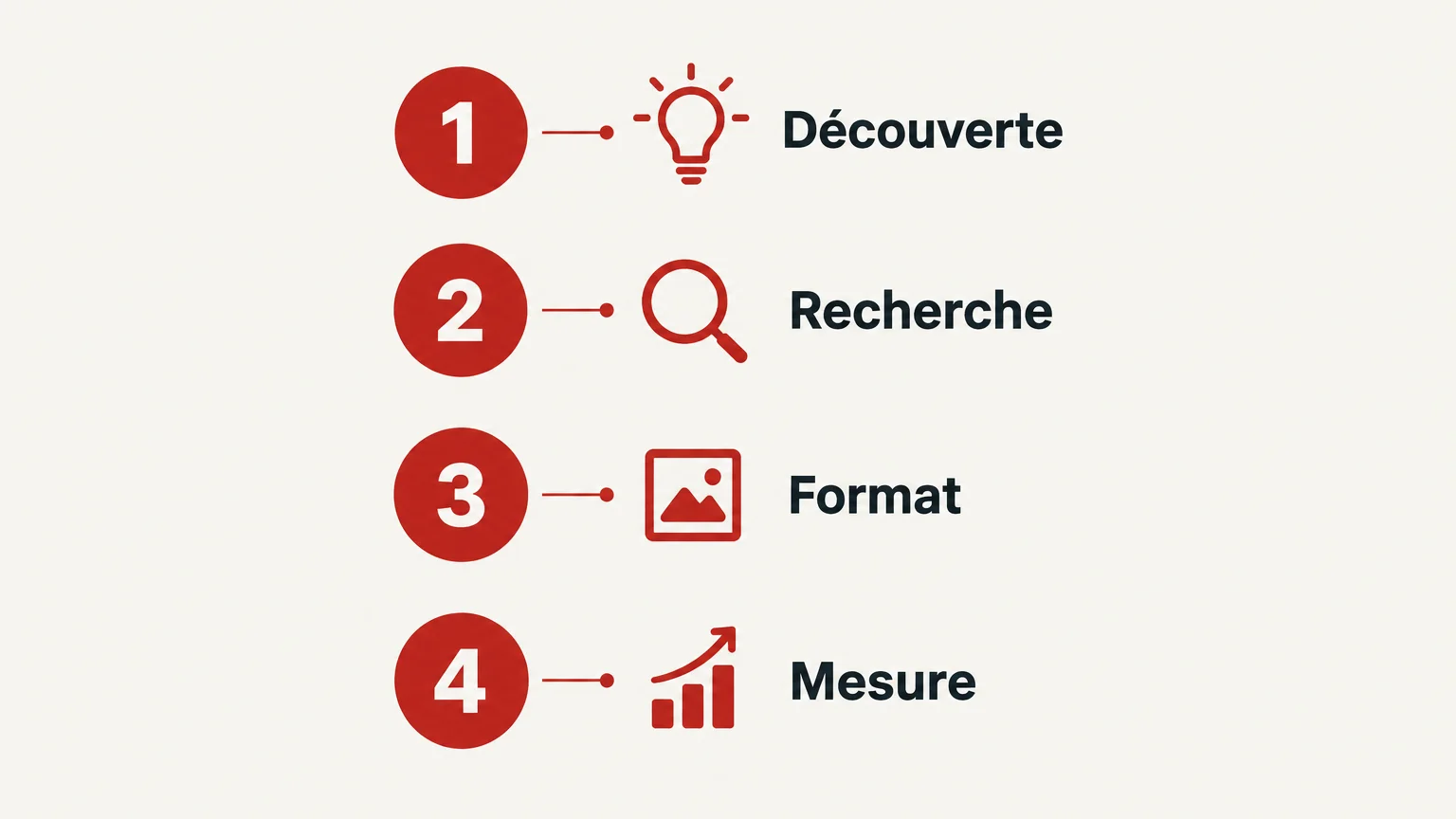
Example: if your team has a visual product to show but little time to produce content, start with short videos and measure the meaningful reactions. If customers often ask detailed questions, also plan content that explains the subject in depth. The choice depends on your target audience, how long the explanation takes and your production resources.
Assess these four criteria before deciding:
- Objective: are you looking for discovery, explanation, in-store visits or conversion?
- Search intent: does your audience want to browse ideas or find a specific answer?
- Format: can the subject fit into a short demonstration, or does it need to be developed?
- Measurement: will you track retention, clicks, enquiries or sales?
If you publish on both platforms, don't mechanically repost the same video. Keep the core idea, then adapt the hook, pacing, length and call to action to the way each platform is used. A combined strategy makes sense when the two formats meet distinct needs and the team can keep both properly supplied.
Conclusion: Choosing Between TikTok and YouTube
The choice between TikTok and YouTube depends on the journey you want to create. TikTok suits short, discovery-led content; YouTube combines Shorts, long-form videos, search and channels. As a brand, start with a measurable objective, adapt your creative to each platform and only add a second channel if you can dedicate relevant content to it.
Give Your Videos a Clear Role on Each Platform
Choosing a platform isn't enough: the script, length and visual angle must match the intended journey. We design and produce vertical videos for TikTok and YouTube Shorts. Depending on your needs, we can also combine production with media management or social media management.

We have worked with more than 350 brands, and our cumulative figures show 500M views and over €50M in revenue generated. These overall figures do not guarantee the results of any particular project. To shape a TikTok strategy, production or campaign, talk to our TikTok agency. The 30-minute discovery call is free and with no obligation; you'll receive the content plan even if no collaboration follows.
Frequently Asked Questions
TikTok or YouTube: which should a brand choose?
Choose TikTok if your priority is to showcase use cases quickly and focus on discovery. Choose YouTube if you also need long-form videos, a structured channel or explainer content.
Is TikTok only suitable for short videos?
Short videos dominate the experience, but the platform also offers other formats and features. Check that the format you have in mind suits your audience and your communication objective.
Can YouTube Shorts replace TikTok?
Both formats can drive discovery of vertical videos, but they sit within different environments. On YouTube, a Short can also complement a channel that publishes long-form videos.
Which platform is best for being found in search?
YouTube offers a search and channel journey suited to evergreen content and detailed explanations. TikTok also has built-in search, which adds to discovery in the feed.
Can you post the same video on TikTok and YouTube Shorts?
You can reuse an idea or footage, but adapt the pacing, hook, text and ending to the context of each platform. Measure results separately to see which version best meets your objective.