

Should your Reel last a few seconds or take the time to tell a story? The ideal length of an Instagram Reel depends first and foremost on what the video needs to achieve. Length alone does not explain how widely it is distributed. To put this choice in context, see what matters in the Instagram Reels algorithm.
A short video can carry a simple idea, but cutting a demonstration down to the point where it no longer makes sense would be counterproductive. Conversely, a long video is only justified if every sequence gives the viewer something. The right benchmark, then, is to choose a length that suits the message and then observe how your audience responds.
What Length Should You Aim for Based on Your Reel's Goal?
A hook, a transition or a single piece of information often fits into a few seconds. A tutorial, a presentation or a story needs more room to be understood. In October 2026, the Instagram advice relayed by the Instagram length guide distinguished between short, medium and longer formats depending on the type of content.
Use these categories as a starting point, not as mandatory lengths. A visual tip can be instant, whereas an explanation requires a clear progression. If viewers need to understand several steps, don't cut the ones that give it meaning just to save a few seconds.
Why Is There No Universal Ideal Length?

Imagine one video that presents a product in a few shots, and another that explains how to use it. Their length doesn't meet the same need: the first must get straight to the result, while the second must make the steps easy to follow.
In October 2024, Meta launched its best practices hub for creators, which includes advice on Reel length. This kind of recommendation treats length as one creative choice among others, without setting a perfect duration for every account.
So before shortening a video, check whether its message is still clear. If a sequence repeats an idea or delays the key moment, cut it. If it shows a necessary step, keep it and tighten the pace around it.
Fit the Length to the Content, Not to a Formula
For an ad, start with the benefit or the most striking scene, then show a single selling point. For a demonstration, announce the result, show the essential steps and finish with a useful conclusion. For a story, every passage should move the narrative forward rather than simply drag the video out.
This approach also helps when you publish on several platforms. We create vertical videos covering script, shoot and editing, then adapt the content to how each network is used rather than reproducing it identically.
Review the edit with the sound off, then listen to it without looking at the screen. If the idea gets lost in either case, clarify the visuals, subtitles or narration before deciding whether the video needs to be shorter.
Measure Retention Before Changing the Length
After publishing, compare the results of videos on similar topics. Watch time shows how long people watch on average. Retention helps you spot the moments when they drop off, while shares, saves and profile visits tell you how useful the content is.
An analysis published by Buffer in 2026 observed high reach for Reels lasting 90 seconds to 3 minutes in its sample. The accounts included had to publish Reels across several length categories. This result describes that data, not a rule that applies to every brand or every audience.
To interpret your own results, you can track the performance of your Instagram Reels and identify the metrics most useful for your goals. Also check the video retention rate after three seconds to see whether the opening grabs attention.
Don't directly compare a discovery video with a tutorial aimed at people already interested in your offer. Instead, check whether each format fulfils its role, then compare similar content on your account.
How Do You Test Different Lengths Without Skewing the Results?
Want to know whether your videos would benefit from being shorter? Test two or three lengths for the same type of message, without changing the topic, hook and editing style at the same time. This method makes it easier to interpret the differences you observe.
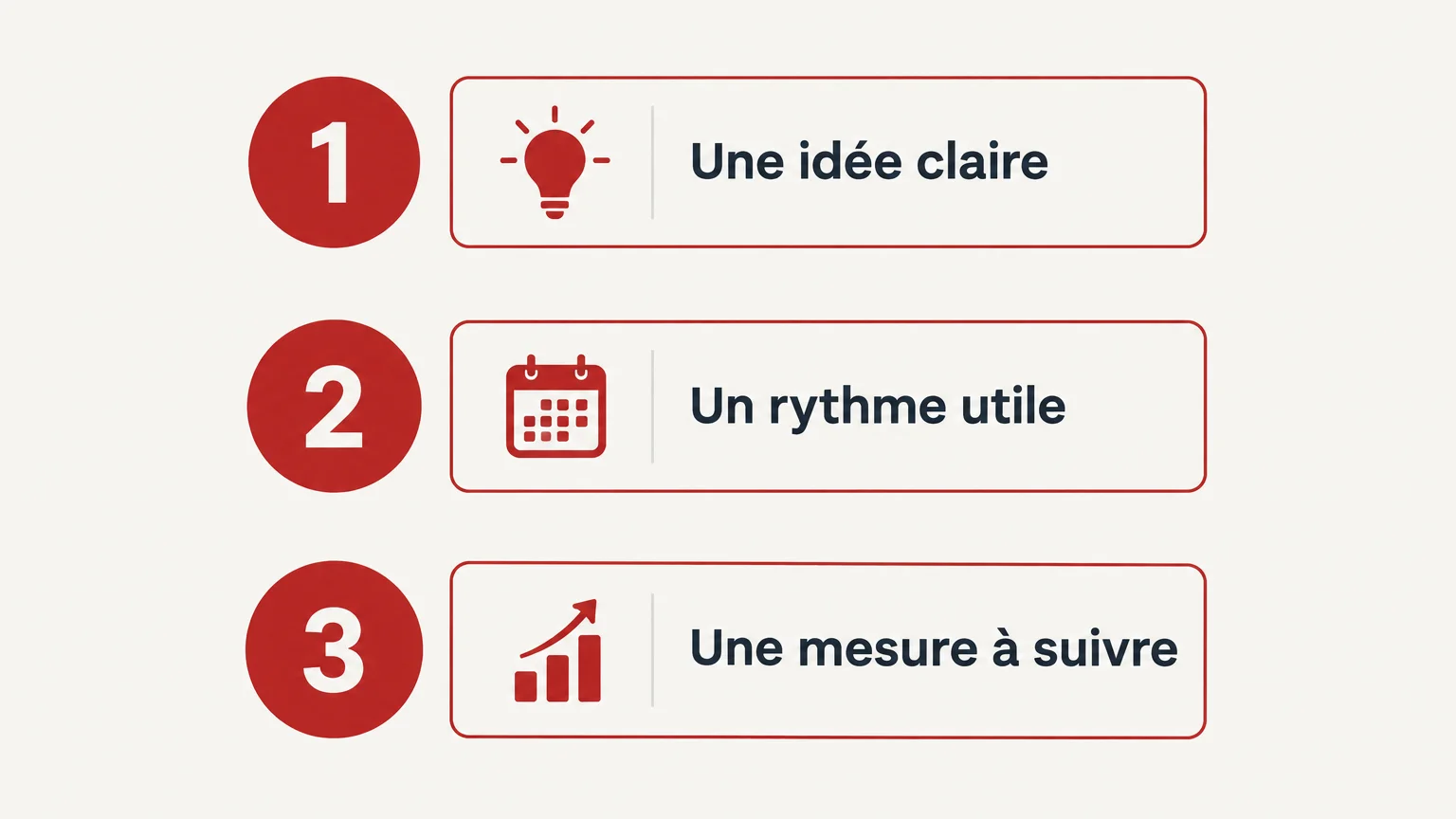
Express a single idea and choose a length that gives it time to be understood.
Remove repetition, unnecessary pauses and introductions that delay the point.
Compare retention and the actions linked to your goal, then keep the format that works best for your audience.
If you produce several variants, we can frame the scripts, shoot and editing according to the conventions of each platform. For a paid campaign, a structured comparison of creatives also lets you assess different approaches without mixing up their results.
The Right Length Is the One That Serves Your Message
Choose the length of your Reel according to its goal and keep every sequence that helps achieve it. Then test comparable formats and adjust the edit based on the retention and actions you observe, rather than applying a supposedly ideal length to all your videos.
Create Reels Tailored to Your Goals
When every video needs to present a clear idea and keep a consistent pace, the work starts with the script. We support brands from writing through to shooting and editing, with content designed around how each platform is used. We have helped more than 350 brands create video content.
To prepare vertical videos designed for Instagram and adapted to your needs, discover our Instagram Reels video production. We can discuss your content and goals to scope a project that suits your brand.
Frequently Asked Questions
Is a very short Reel always better?
No, a short video only works if it conveys a complete idea. A demonstration or a story deserves the time it needs to be understood.
Does a long video automatically hurt reach?
Length alone doesn't determine the result. How interesting the topic is, the pace and the audience's reaction also matter.
Which metric should you check first?
Start with watch time and retention, then look at the actions that match your goal. A video meant to be shared shouldn't be judged solely on its number of views.
Should you post the same version on every platform?
It's better to adapt the pace, editing and presentation to how each network is used. We produce scripted, shot and edited vertical videos, with versions tailored to each platform.
How do you compare two versions of a video?
Compare similar content by changing only one key element, such as length. Analyse the same metrics and draw your conclusions from several comparable posts.