

Video brand safety scandals are exploding: McDonald's appears next to disinformation content on TikTok, Coca-Cola unwittingly funds controversial creators, L'Oréal finds itself associated with inappropriate videos on Instagram Reels. 78% of CMOs consider brand safety their absolute priority according to HubSpot's State of Marketing 2025 report, up from 45% the previous year. According to the Reuters Institute's Digital News Report 2026, concern about false information online reaches 62% of respondents on average, up 4 points in a year, with a rise of more than 5 points in 11 markets.
This rise in risk is radically transforming video marketing strategies. Brands now invest up to 30% of their media budget in creative control and context verification. From our experience across 250+ campaigns, companies that anticipate these issues protect their reputation while still capturing attention on TikTok, Instagram Reels and YouTube Shorts. This article breaks down the new protection practices, the practical tools and the measurement methods to secure your vertical video campaigns.
Why video brand safety is becoming critical in 2026
The vertical video landscape has changed radically. The TikTok and Instagram Reels algorithms distribute content massively, but their speed of propagation makes control almost impossible. An ad can generate 100,000 views in 2 hours, before a marketing team has even detected the problem.
Risks are multiplying: automatic placement next to sensitive content, unintended association with controversial creators, creative ads hijacked by unofficial accounts. Short video amplifies these dangers through its strong natural traction. The Reuters Institute's Digital News Report 2025 also shows that influencers and online personalities are seen as the main source of false information worldwide (47%), level with national politicians (47%).
The acceleration of reputation crises
Video brand safety crises now unfold in 4 accelerated phases. Phase 1: inappropriate placement spotted by users. Phase 2: a screenshot goes viral on Twitter/LinkedIn. Phase 3: media pick-up and negative articles. Phase 4: measurable impact on purchase intent.
This sequence, which used to take 2-3 weeks, now plays out in 24-48 hours. Marketing teams no longer have time to react after the fact. Prevention becomes the only viable strategy.
A recent example involving a French cosmetics brand illustrates this acceleration perfectly. Its TikTok campaign was automatically placed next to controversial cosmetic surgery content. Within 6 hours, screenshots were circulating, generating negative media coverage that hit sales for 3 months.
New formats amplify the risks
The 9:16 format of vertical video changes the game. On TikTok and Instagram Reels, brands lose traditional editorial control. Unlike display banners, where the environment remains predictable, vertical creative ads navigate an unpredictable algorithmic feed.
Modern creative ads imitate UGC codes to maximise engagement. This sought-after authenticity paradoxically makes it harder to tell official content from hijacking. The algorithms automatically associate ads with similar content, with no business-relevance filter.
The speed of creation makes the problem worse. Where a TV campaign needed weeks of approval, a TikTok creative can be produced and run within 48 hours. This agility, a major competitive advantage, becomes a risk factor if brand safety processes do not keep pace.
The direct financial impact on ROAS
Brand safety crises are no longer confined to image. They directly affect advertising performance. An ad placed in a negative context sees its CTR drop by 40 to 60% according to our observations across several client campaigns.
The contamination effect hits the whole media mix. When a brand suffers a brand safety crisis on TikTok, its Meta Ads and Google Ads performance degrades mechanically. Users develop a temporary mistrust that shows up as a general drop in engagement.
The cost of winning back trust always exceeds the cost of prevention. Rebuilding trust after a crisis generally takes 3 to 6 months of corrective communication, with media budgets increased by 50% to offset audience resistance.
The new threats specific to video marketing

Vertical video marketing creates unprecedented risks. Unlike traditional formats, it sits natively within personal and emotional content feeds. This closeness, a strength for engagement, becomes a brand safety vulnerability.
Five categories of threat are emerging specifically in the vertical video environment, requiring monitoring and suitable countermeasures.
Creative hijacking with strong traction
High-performing creative ads naturally inspire parodies and spin-offs. On TikTok, a branded hashtag can generate thousands of uncontrolled reuses. This strong organic traction, sought after for its authenticity, can quickly drift towards problematic content.
The phenomenon intensifies with trending audios. A brand launches a creative with an original audio, the audio takes off, then creators use it for sensitive or inappropriate content. The audio-brand association persists in the algorithm, creating lasting unwanted links.
UGC production helps limit these risks by keeping creative control while preserving authenticity. Content produced in a studio with selected creators reduces the likelihood of wild hijacking.
Unwanted algorithmic association
Recommendation algorithms create unpredictable content associations. An ad for a fashion brand can appear systematically after fast-fashion videos criticising the textile industry. This algorithmic proximity creates cognitive dissonance for users.
The effect grows with browsing history. If a user regularly watches controversial content, they will see mainstream brands' ads in that negative context. The algorithm optimises for engagement, not editorial consistency.
Keywords hidden in video metadata make the problem worse. Seemingly neutral terms can trigger unwanted associations. A creative mentioning "transformation" can be linked to extreme self-improvement content or conspiracy theories.
Contamination by geographic proxy
Global video campaigns suffer contamination by proxy. A brand safety crisis localised in one country can affect worldwide performance through cross-border recommendation algorithms. Social media platforms no longer strictly separate geographic audiences.
This phenomenon particularly affects French brands going international. A controversy in the French market can affect TikTok performance in the United States or the United Kingdom. International creators can pick up elements of a French crisis without context, amplifying the confusion.
The solution involves extended geographic monitoring and creative strategies differentiated by market. Our specialised creative ads build in this geographic dimension from the design stage to limit cross-contamination.
Proactive creative protection strategies

Protection can no longer be reactive. The brands that succeed anticipate risks from the creative design stage. This preventive approach requires new processes, tools and skills built into the production workflow.
Three strategic axes emerge: preventive creative selection, distribution control and real-time monitoring.
Preventive creative selection
Every creative concept must go through a brand safety risk audit before production. This assessment analyses keywords, cultural references, visual codes and potential hijackings. The aim: to identify the creative elements likely to generate negative associations.
The negative personas method proves particularly effective. For each creative, we imagine 3-4 user profiles likely to hijack the content negatively. This projection lets us anticipate drift and adapt the creative upstream.
The creative studio now builds these constraints into the initial brief. Creators receive a list of keywords, references and formats to avoid, specific to each client brand. This creative limitation, an apparent constraint, often produces more original and memorable concepts.
Algorithmic distribution control
Ad targeting settings become brand safety tools. Tighter audience targeting limits exposure to risky contexts. This approach reduces reach but improves the contextual quality of delivery.
Placement exclusions are evolving into positive lists. Rather than excluding problematic content, brands define the environments they want. This whitelist approach takes more initial work but guarantees superior control.
A/B testing becomes systematic across creative versions. Testing 2-3 variants of the same creative with different tones quickly identifies the versions that generate negative associations. Brand safety metrics (sentiment, negative mentions) are measured at the same level as performance KPIs.
Real-time multi-channel monitoring
Brand safety monitoring can no longer be limited to the delivery platforms. Crises often emerge on third-party channels: Twitter for scandals, LinkedIn for professional debates, Reddit for niche discussions. Omnichannel monitoring becomes indispensable.
Social listening tools now include video-specific alerts. They detect screenshots of ads, mentions of campaigns in negative contexts, and the start of controversies before they affect performance.
Responsiveness determines effectiveness. A brand safety crisis plan must make it possible to stop a campaign within 2 hours of detecting a problem. This ability to react requires lighter decision-making processes and teams trained in urgent escalation.
Video monitoring technologies and tools
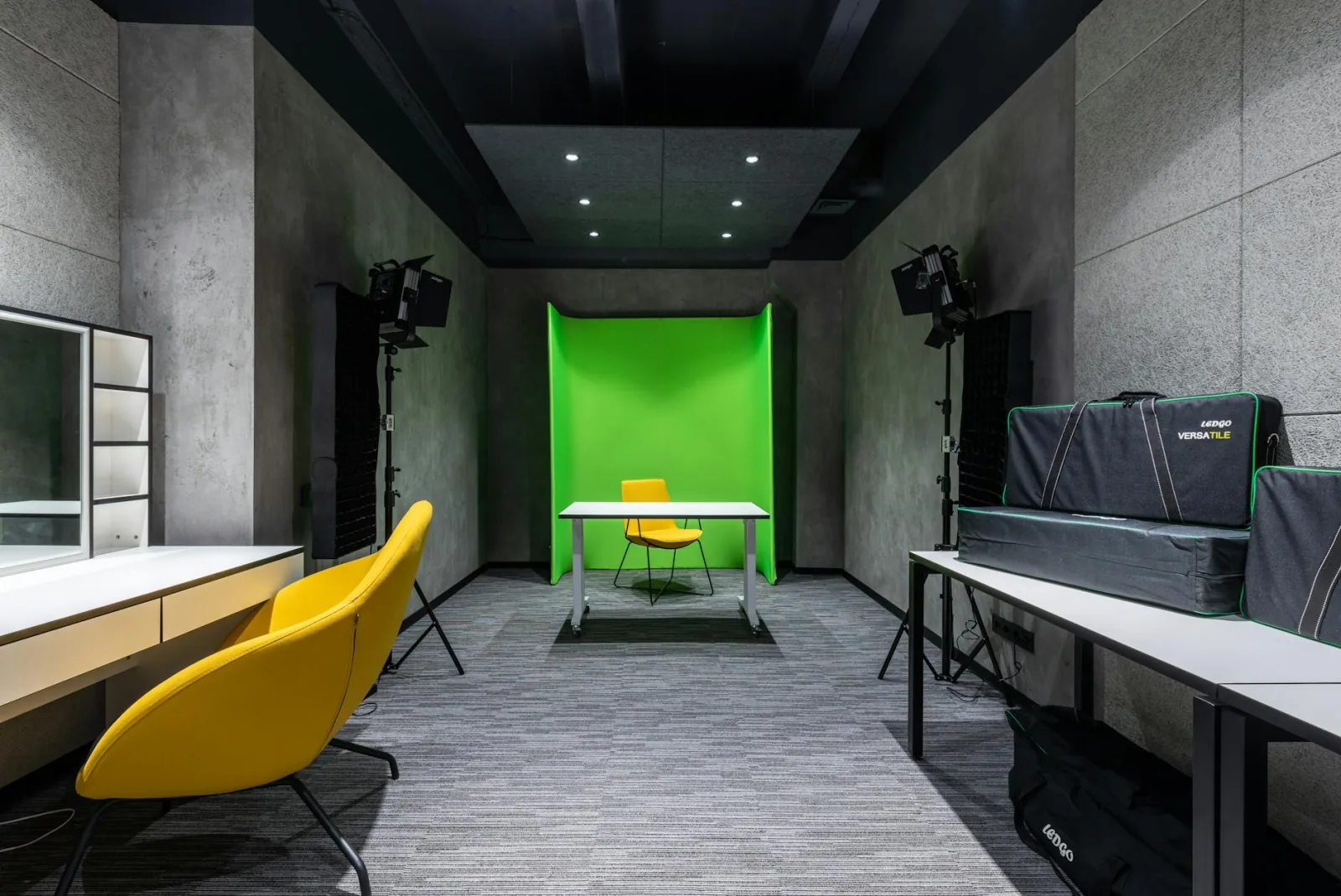
The technology landscape for video brand safety is evolving fast. Traditional solutions, designed for display, are adapting to the specifics of vertical video content. New players are emerging with mobile-native and social media approaches.
The technology choice directly affects operational effectiveness. A poorly suited stack produces costly false positives or misses real risks.
Native TikTok and Meta solutions
TikTok For Business and Meta Business offer built-in brand safety tools. These native solutions have the advantage of perfect algorithmic compatibility. They understand the specifics of each platform and adjust to algorithm changes in real time.
Meta Brand Safety Controls allows fine-grained configuration of content exclusions. The tool automatically analyses the context of placements and blocks problematic associations. Its integration with the conversion pixel gives a global view of brand safety impact against business performance.
TikTok Content Filtering uses AI to analyse the environment in which ads are delivered. More sophisticated than keyword exclusions, it understands the visual and emotional context of adjacent content. This contextual approach significantly reduces false positives. The TikTok for Business help centre, updated in April 2025, specifies that the official tool is called TikTok Inventory Filter and offers advertisers three inventory levels.
Specialised third-party platforms
Third-party solutions such as Zefr, OpenSlate or Adloox are building specific social video expertise. Their advantage: a cross-platform view and independence from proprietary algorithms.
These tools excel at proactive detection of emerging risks. They analyse content trends, identify rising sensitive topics and alert before brands are affected. This predictive capability justifies their additional cost.
Integration with creative tools is becoming crucial. The best platforms plug directly into production studios to validate creative concepts before the shoot. This upstream validation avoids costly rework of creatives that have already been produced.
Artificial intelligence and contextual recognition
AI is transforming brand safety risk detection. Computer vision algorithms analyse not only keywords but also the visual elements, facial expressions, gestures and overall mood of surrounding content.
Audio recognition is emerging as a key technology. It detects problematic sound associations, controversial music or hate speech even when the subtitles look neutral. This multimodal analysis (visual + audio + text) drastically improves detection accuracy.
Adaptive learning lets tools improve specifically for each brand. The AI learns particular sensitivities, sectors and positionings to refine its alerts. This personalisation reduces false positives and improves the relevance of flags.
Budget and organisation of brand safety teams
Organising video brand safety requires hybrid skills: marketing, legal, social listening and crisis management. Traditional media planning teams are no longer enough. Companies are rethinking their org charts to integrate this cross-functional dimension. On the legal side, the European Commission reminds us that the Digital Services Act requires very large online platforms and very large search engines to keep a public repository of the ads served on their services, in addition to the rules that limit ad targeting.
Budget allocation is moving towards a preventive model. Brands now invest 15 to 25% of their social media budget in brand safety, against 5% before.
New skills and profiles required
The Brand Safety Manager is becoming a key role. This hybrid profile combines marketing skills, strategic monitoring and crisis management. They coordinate creative, media and communications teams to ensure message consistency and anticipate risks.
Social listening skills are evolving towards video specialisation. Analysing sentiment on a TikTok video requires understanding the generational codes, cultural references and algorithmic mechanics specific to each platform.
Continuous training becomes indispensable. Teams must stay informed about platform changes, new creative formats and cultural trends likely to affect brand perception. This ongoing monitoring accounts for around 20% of brand safety teams' working time.
Effective organisational models
Organising in product squads is gradually becoming the norm. A dedicated team brings together a creative, a media buyer, a brand safety manager and a social listener. This proximity speeds up decision-making and improves campaign consistency.
Centralisation versus decentralisation divides companies. International groups tend towards central coordination with local adaptation. Mid-sized companies often favour a more agile decentralised approach that requires more resources per entity.
Partial outsourcing is growing. Entrusting 24/7 monitoring to specialised providers maintains constant vigilance without multiplying internal teams. Our specialised services include this brand safety monitoring dimension in the overall support.
ROI and justifying the investment
Quantifying brand safety ROI remains complex, but several metrics are emerging. The cost of crisis avoidance is measured by comparison with the impacts suffered by similar brands that experienced equivalent problems.
The preventive detection rate is becoming a key KPI. It measures the percentage of risks identified and handled before negative impact. A rate above 80% generally indicates a mature and effective brand safety organisation.
The impact on Customer Lifetime Value justifies the investment. Brands that effectively protect their reputation maintain customer retention rates 10 to 15% higher, according to our observations across several sectors. This protection of customer value more than offsets the cost of prevention.
The mistakes too many French brands still make
Despite the growing number of crises, many companies repeat the same video brand safety mistakes. These pitfalls, identified across our 250+ campaigns, create avoidable risks and significant correction costs.
A purely reactive approach remains the most common mistake. 60% of brands wait for the first negative alert before putting control processes in place. This reactivity costs on average 3 times more than a preventive approach and causes reputational damage that is hard to repair.
Neglecting cultural context particularly affects multi-generational campaigns. Creatives designed by senior teams can contain references perceived negatively by Gen Z TikTok audiences. This generational disconnect creates misunderstandings and unanticipated hijackings.
Excessive creative standardisation is a frequent trap. To avoid risks, some brands over-standardise their creative ads, making them bland and ineffective. This ultra-safe approach reduces engagement and paradoxically exposes them to the risk of parody hijacking.
Insufficient team coordination creates systemic gaps. Creative, media and brand safety teams often work in silos. This fragmentation delays decision-making and multiplies blind spots in campaign monitoring.
A single-platform focus limits the effectiveness of monitoring. Many companies concentrate their monitoring on the main delivery platform while neglecting secondary propagation channels (Twitter, LinkedIn, forums). Yet these channels often generate the most damaging crises.
The lack of a video-specific crisis plan hampers responsiveness. Traditional crisis management procedures do not adapt to the speed at which vertical video content spreads. This organisational mismatch amplifies the impact of the problems detected.
How to measure video brand safety results
Measuring the effectiveness of video brand safety requires specific KPIs and tools suited to short formats. Traditional display brand safety metrics are not enough to assess protection performance on TikTok, Instagram Reels and YouTube Shorts.
Preventive detection metrics: The preventive detection rate measures the percentage of risks identified before negative impact. A rate above 75% indicates effective monitoring. Average detection time is a complementary indicator: the aim is to get below 2 hours between a risk emerging and its detection.
Secured creative performance indicators: The CTR of creative ads with brand safety control vs. without reveals the quality impact of the preventive approach. Secured creatives generally perform better over the long term, with engagement rates 20 to 30% higher after 4 weeks of delivery.
Sentiment and perception metrics: Social listening tools measure how brand sentiment evolves around video campaigns. The Net Sentiment Score (positive mentions minus negative mentions divided by total mentions) is the reference indicator. A score above +0.6 indicates a stable positive perception.
Cross-contamination KPIs: Measuring cross-channel impacts assesses whether a brand safety crisis on one platform affects performance on other channels. This analysis requires comparing Meta Ads, Google Ads and TikTok Ads engagement metrics over synchronised periods.
Calculated protection ROI: Calculating brand safety return on investment compares the cost of preventive measures with the estimated cost of the crises avoided. This estimate relies on industry benchmarks for crisis management costs and the associated loss of revenue.
Recommended measurement tools: TikTok Analytics and Meta Business Suite provide the basic creative performance data. Platforms such as Mention, Brandwatch or Talkwalker analyse sentiment and detect weak signals. Google Analytics 4 measures the traffic and conversion impact of secured vs. unsecured campaigns.
Frequently asked questions
Key takeaways
Video marketing brand safety is becoming a decisive competitive advantage in 2026. Brands that master this dimension protect their reputation while maximising engagement on social platforms. Four key points to remember: anticipate risks from the creative design stage rather than suffering crises, invest in real-time monitoring tools suited to vertical video formats, train teams in the cultural specifics of each platform, and systematically measure the effectiveness of protection measures to keep optimising the approach.