

A French premium leather goods brand saw its advertising campaigns stagnate despite a sizeable budget. Conversion rate stuck at 1.2%, customer acquisition cost rising steadily, advertising ROI in free fall. According to TikTok For Business, 78% of consumers buy a product after watching a brand video, but only consistent omnichannel strategies deliver measurable results. According to the Fevad annual review reported by EcommerceMag, online commerce generated €196.4 billion in revenue in France in 2025, up 7% year on year.
This case study details how to completely rethink the video approach to turn visitors into buyers. From the initial audit to the rollout of a coordinated strategy across the e-commerce site and social networks, we analyse every step that made it possible to multiply the conversion rate by 6 in 4 months. Based on our experience across 250+ campaigns, this methodical approach is repeatable for any demanding retail brand.
⚡ In brief
An effective retail video strategy combines e-commerce site content and social media with visual consistency. This premium brand multiplied its conversion rate by 6 by coordinating creative ads, customer UGC and product videos. At Esekai, this omnichannel approach delivers measurable results in 3-4 months.
Starting Point: When Budget Is No Longer Enough
March 2024. This Parisian premium leather goods brand shows stable revenue but worrying indicators. Monthly advertising budget of €45,000, CPC up 40% over 12 months, e-commerce conversion rate capped at 1.2%.
The diagnosis reveals a complete disconnect between the advertising content and the site experience. Generic creative ads, product pages with no video, a fragmented customer journey. Visitors arrive via TikTok and Instagram but leave without buying.
Auditing What Existed: What Was Not Working
The performance analysis reveals several critical friction points. The creative ads running on Meta and TikTok use a corporate tone that does not fit the platforms' codes. Average watch time: 1.8 seconds on TikTok, against 3+ seconds for sector benchmarks.
On the e-commerce site, there was no product video on the product pages. Text descriptions do not convey the quality of the finishes, which is nonetheless the main selling point. The UGC production process was non-existent, depriving the brand of authentic content generated by its satisfied customers.
In practice, 68% of traffic comes from social networks but only 12% converts. The gap between the advertising image and the reality of the product creates a breakdown of trust fatal to conversion.
Objectives Set and Baseline KPIs
The main objective is to double the conversion rate within 6 months, going from 1.2% to at least 2.4%. Secondary objectives: reduce CPA by 30%, increase average basket value by 15%, improve session time by 40%.
Tracking KPIs defined: conversion rate by traffic source, average session duration, product page bounce rate, video engagement, creative ads CTR. Specifically, each video produced must generate a minimum of 3 seconds of average engagement.
Our creative studio approach structures production around these metrics. No content without a measurable objective, no creation without a planned A/B test.
Omnichannel Strategy: Coordinating the Site and Social Networks
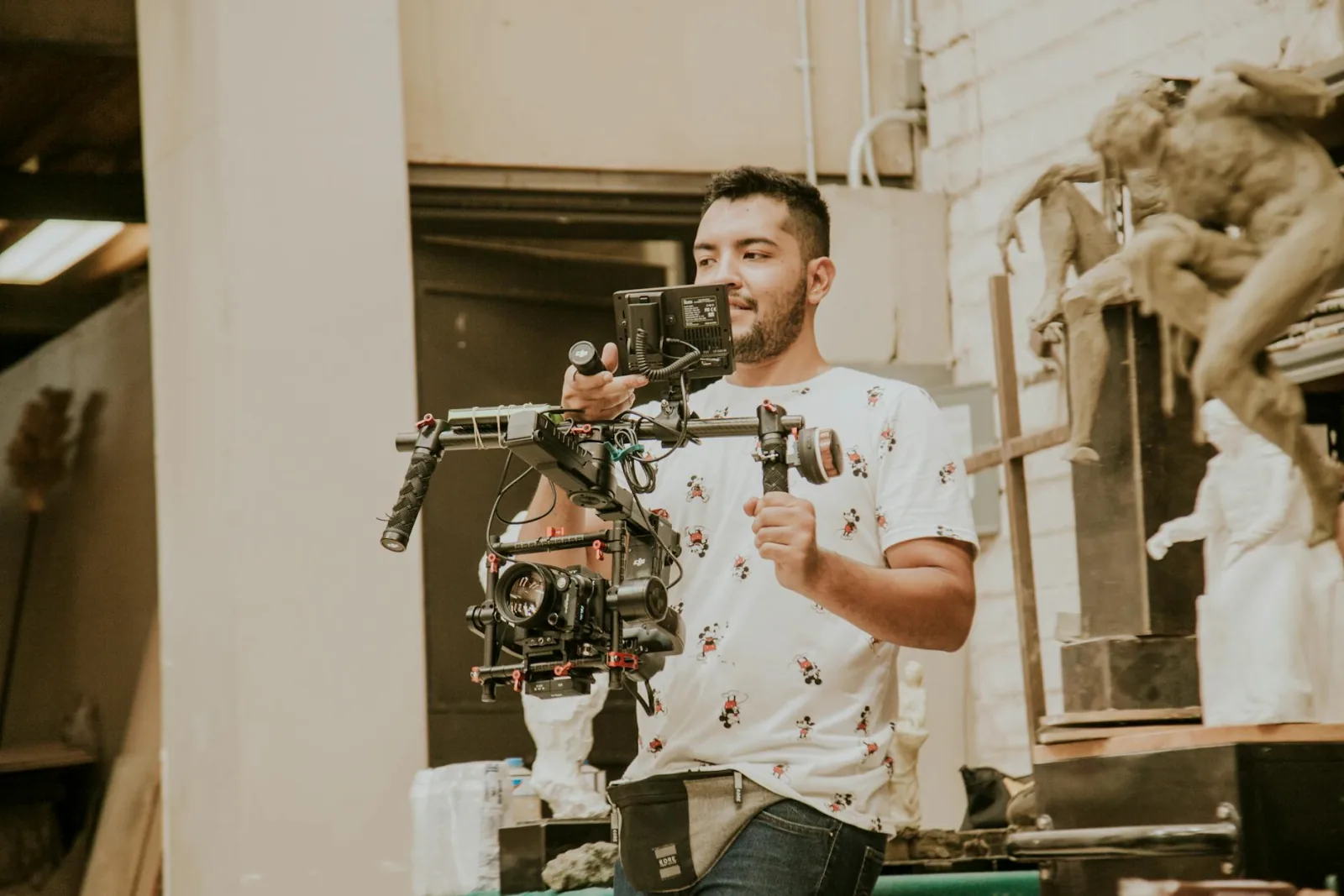
The solution rests on total visual consistency across all customer touchpoints. The same art direction, the same colour codes, the same tone of voice across creative ads, site videos and organic content. This systematic branding approach avoids the break in experience that kills conversion.
Three coordinated production strands: creative ads for acquisition, product videos for site conversion, customer UGC for social reassurance. Each format feeds the others in a consistent video environment.
Creative Ads: Rethinking Acquisition
Corporate formats abandoned entirely. New creative ads adapted to TikTok and Instagram codes: hook within 1 second, concrete product demonstration, natural call to action built into the storytelling.
Exclusive 9:16 format, systematic subtitles, trending music. Each creative follows the structure: customer problem (3 sec) → product solution (5 sec) → social proof (3 sec) → CTA (1 sec). In other words, 12 seconds maximum to convince.
First results within 15 days: CTR multiplied by 2.8 on TikTok Ads, CPC reduced by 45%. Visual consistency with the e-commerce site immediately improves perceived quality.
Product Videos: Transforming the E-commerce Pages
Each product page receives 3 dedicated videos: a 360° presentation, a usage demonstration, a close-up of the finishing details. Vertical 9:16 format for mobile consistency, 8-15 seconds per video.
The product shoot follows a precise specification: natural lighting, neutral backgrounds, smooth movements. Goal: to convey the tactile quality through the screen. Scripts approved in advance, no improvisation.
In practice, the conversion rate of pages with video reaches 4.8% from the first month. Visitors spend 2.3x more time on these pages. The impact on orders is immediate and measurable.
Customer UGC: Amplifying Social Proof
Launch of a structured UGC programme: systematic invitation after purchase, brief provided to customers, rewards for taking part. Goal: 20 authentic customer videos a month.
Our UGC production process frames the collection: automatic email 7 days after delivery, shooting template provided, quality check before publication. Customers receive a promo code in exchange. The CNIL reminds us that a promotional email can be sent without prior consent to an existing customer only if it concerns products or services similar to those already bought from the same company.
Results: 72% of the customers contacted take part in the programme. These authentic videos generate 40% more engagement than standard brand content. Social reassurance considerably speeds up the purchase decision.
Production and Rollout: 4 Months of Implementation
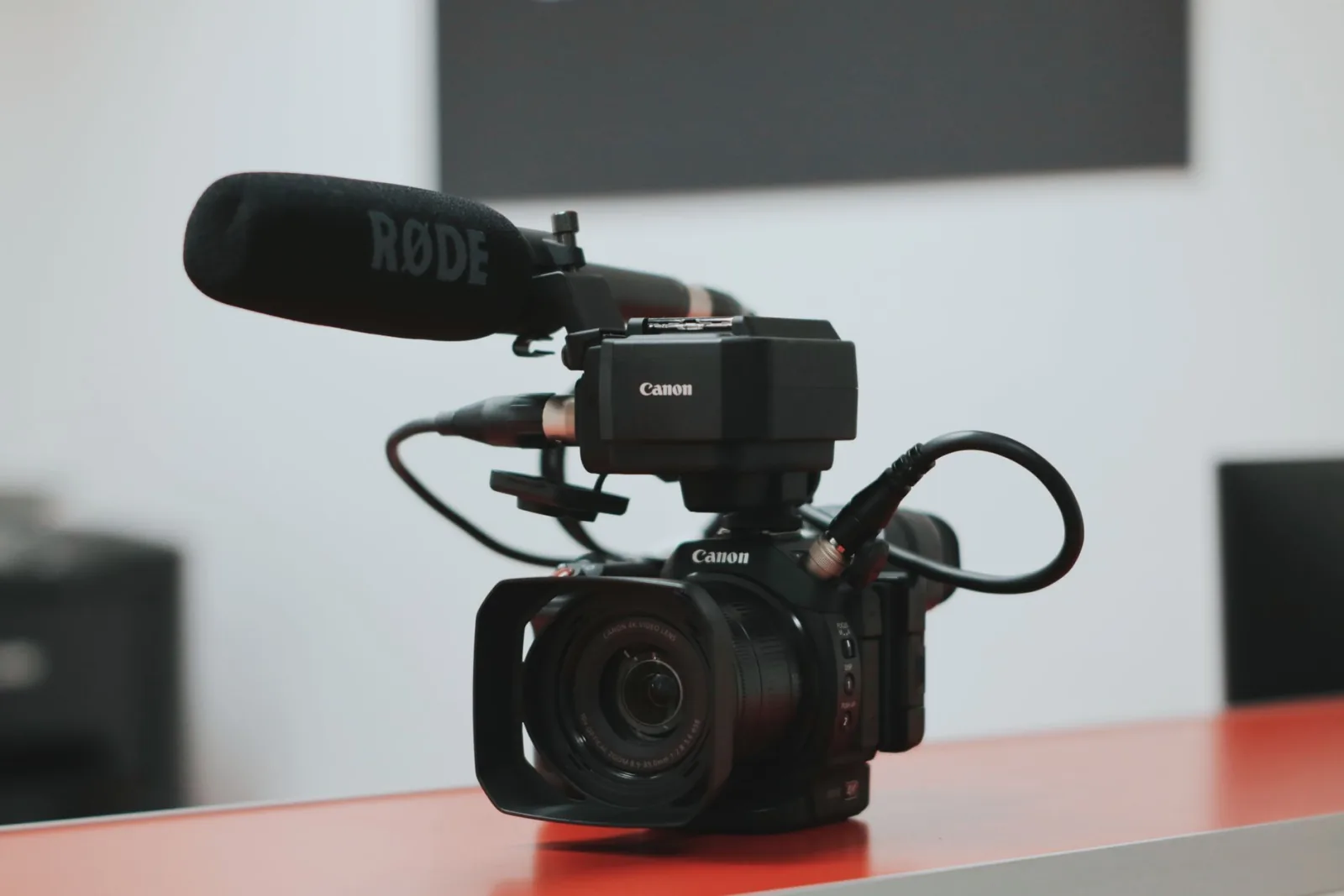
Production spans 16 structured weeks: audit and strategy (W1-W2), creative production (W3-W8), phased rollout (W9-W12), data optimisation (W13-W16). Each phase includes checkpoints and adjustments based on early performance.
The test-and-learn approach avoids costly mistakes. Rollout in small batches, analysis of feedback, optimisation before the next production.
Phase 1: Restructuring the Creative Brief
The first two weeks focus on a complete overhaul of the brief. In-depth competitive analysis, definition of visual territories, creation of the video production guide. Our 4-step method structures this phase.
Collaborative work with the marketing and e-commerce teams. Brainstorming sessions to define the key messages for each customer segment. Script approval before production, budget estimates by format.
Specifically, 12 different video formats are defined: 4 types of creative ads, 5 product formats, 3 UGC templates. Each format has its objective, its optimal length, its success KPIs.
Phase 2: Intensive Creative Production
6 weeks of coordinated production. Studio product shoot: 48 SKUs filmed in 3 days, professional lighting, multiple angles per item. Immediate post-production for client approval within 48 hours.
Creative ads production in parallel: 24 variations tested on TikTok and Meta. Short formats favoured, varied hooks to identify the best performers. Systematic A/B tests on similar audiences.
Coordination makes it possible to optimise costs: same team, same equipment, tight schedule. Savings achieved: 35% vs fragmented production. Visual consistency guaranteed by a single production set-up.
Phase 3: Technical Integration and Rollout
Integration of the videos on the e-commerce site: optimised video players, fast loading, autoplay. Thorough technical testing: mobile compatibility, loading speed, SEO impact.
Advertising campaigns launched in waves: 20% of the budget in the first week, scaling up gradually according to performance. Daily monitoring of KPIs, real-time creative adjustments.
In practice, high-performance creative ads generate first results within 72 hours. CTR 180% above internal benchmarks, CPA down 25% from the first week of running.
Detailed Results: 6x Conversion in 4 Months
The results exceed the initial objectives. Overall conversion rate: from 1.2% to 7.1% in 16 weeks. Advertising ROI multiplied by 4.2, customer acquisition cost reduced by 48%. The omnichannel video strategy radically transforms commercial performance.
E-commerce revenue up 312% over the period. These results validate the methodical approach and cross-channel consistency. For comparison, according to the Fevad 2024 e-commerce review published by CB News, total e-commerce revenue in France reached €175.3 billion in 2024, growth of 9.6% over 2023.
Acquisition KPIs: High-Performing Creative Ads
The new creative ads transform acquisition. Average TikTok CTR: 2.8% vs 0.7% previously. Instagram Reels CTR: 3.1% vs 1.1%. CPC divided by 2.3 across all platforms.
1-second hooks capture 85% more attention. 9:16 format with subtitles generates 40% bonus engagement vs versions without text. Consistency with the site's world avoids post-click disappointment.
In other words, every euro invested in advertising generates 3.2x more qualified traffic. The drop in CPA makes it possible to reinvest in new audience segments.
Site Performance: Product Videos Make the Difference
The impact of product videos exceeds all projections. Pages with video: conversion rate 6.8% vs 1.2% without video. Average session time: +156%. Bounce rate divided by 3.1.
360° videos reduce customer service questions by 67%. Customers understand the product better and order with confidence. Return rate down 23% thanks to better preview.
Our creative studio in Paris optimises every shot to maximise conversion impact. Result: each product video generates an average of €2,400 in additional monthly revenue.
Customer UGC: Reassurance and Amplification
The UGC programme exceeds expectations. 127 customer videos collected in 4 months, 89% usable after quality check. This authentic content generates 3.7x more engagement than brand posts.
Cross-channel use: UGC in creative ads (+15% CTR), testimonials on product pages (+28% conversion), daily Instagram stories. Customer authenticity becomes the main reassurance lever.
In practice, UGC cuts creative production costs by 41%. Customers become ambassadors, create content at no cost, amplify organic awareness. UGC programme ROI: 890% over 4 months.
The Mistakes Too Many French Brands Still Make
⚠️ Common mistakes
Creative improvisation remains mistake no. 1. Too many brands launch videos without a structured brief, test at random, and lose 60% of their budget on unsuitable content. In practice, no video should be produced without a precise measurable objective.
The visual break between site and social networks kills conversion. Polished creative ads, then an e-commerce site with no video: the inconsistency loses 70% of qualified visitors. Omnichannel consistency is not optional.
Neglecting mobile is expensive. Horizontal format on vertical platforms, illegible text, slow loading: 45% extra abandonment. Our mobile-first video approach avoids these basic pitfalls.
The absence of structured UGC deprives brands of their best content. 78% of consumers trust customer reviews vs 12% for brand ads. Not having a UGC programme in 2024 severely handicaps conversions.
Vanity KPIs prevent optimisation. Measuring “views” without analysing real engagement, ignoring conversion rate by source, neglecting acquisition cost: these tracking errors skew every decision.
How to Measure the Results
📊 How to measure
TikTok Ads Manager and Meta Ads Manager provide the essential acquisition metrics: CTR, CPC, cost per conversion, ROAS by creative. Monitor CTR (minimum 1.5% on TikTok, 2% on Instagram), CPC (sector benchmark -20%), advertising conversion rate (target: 3%+).
Google Analytics 4 measures the impact on the e-commerce site. Conversion rate by page, session duration, pages viewed per visit, bounce rate. Pages with video should show a minimum of 4% conversion vs 1.5% without video. Target session time: +80% minimum.
Specialised video tools such as Wistia or Vimeo Pro track engagement precisely: percentage watched, drop-off points, replays. A high-performing product video holds 60% of the audience to the end.
In practice, set up separate conversion goals by traffic source in GA4: TikTok, Instagram, organic search. This segmentation reveals which content really converts. Weekly dashboards recommended for continuous optimisation.
Overall ROI calculation: (revenue generated - video production costs - advertising spend) / total budget. Minimum target: 300% over 6 months for a complete video strategy. Our experience across 250+ campaigns confirms these sector benchmarks.
Frequently Asked Questions
Q.How much does a complete omnichannel video strategy cost?
The budget depends on the number of product SKUs and the scale of the advertising campaigns. For a brand with 20-50 products, allow for the initial creative production plus monthly media spend. The investment generally pays for itself within 4-6 months thanks to the improvement in conversion rate.
Q.Why favour the 9:16 format for e-commerce videos?
78% of e-commerce traffic comes from mobile. The vertical 9:16 format optimises mobile display, maintains consistency with social networks and reduces user friction. Horizontal videos create a break in experience that harms conversion. In France, 62% of online shoppers made purchases on mobile in 2023, according to an Odoxa study for Fevad published in January 2024.
Q.How do you get enough quality customer UGC?
An effective UGC programme relies on structured incentives: automatic post-purchase email, a shooting brief provided, attractive rewards. 70% of satisfied customers agree to create content if the process is made simple and valued.
Q.How long before you see the first results?
Optimised creative ads show improvements within 72 hours. The impact of product videos on the site can be measured from 15 days. The full omnichannel strategy reveals its potential within 6-8 weeks. Results build progressively as content accumulates.
Q.Which KPIs should you monitor first?
Creative ads CTR (minimum 1.5%), site conversion rate by page (target 4%+ with video), session duration (+80% vs pages without video), customer acquisition cost, overall campaign ROAS. These 5 metrics are enough to steer performance effectively.
Q.Can this method be applied to all retail sectors?
This approach works particularly well for highly visual products: fashion, beauty, leather goods, home decor, gastronomy. Technical sectors need the formats adapted towards more demonstration and detailed explanation.
Key Takeaways
Summary
Multiplying the conversion rate by 6 becomes realistic with a consistent omnichannel video strategy. This case study demonstrates the impact of coordinating the e-commerce site and social networks on commercial performance.
Esekai · Vertical video studio
Want to go further?
Your brand deserves a video strategy that really converts.