

A scheduled post is not enough to keep a community alive: you also need to follow the reactions it generates. To manage posts and comments on social media, link your editorial calendar to replies, moderation and the follow-up of requests. If Instagram is your priority, we also explain how to manage and engage a community on Instagram.
This approach applies as much to businesses that publish in-house as to those that outsource part of the work to a provider. A social media management tool can centralise the calendar and some interactions, while an outsourced service can also cover the editorial line, publishing and replies. To choose between these approaches, start from your actual tasks and the level of control you want to retain.
How Do You Organise Planning and Publishing?

An effective calendar turns editorial intentions into achievable tasks. For each post, record the network, the topic, the format, the planned date, the person responsible and the approval status. Also leave space to note the questions the team will need to answer once the post is live.
Group your content by objective, for example informing, presenting an offer or answering a frequently asked question. This view helps you spot repetition and periods when several announcements overlap. It also lets you adapt the copy and format to the conventions of each network, rather than systematically reposting the same version everywhere.
To stay responsive, keep some slack for news and spontaneous replies. Overly rigid scheduling can make the calendar hard to adjust when a sensitive issue arises. If LinkedIn is an important platform for your business, we explain how to build a professional community on LinkedIn.
Why Centralise Comments and Messages?
A customer question may arrive under a post, in a direct message or in reply to a video. Without a single point of tracking, the team risks missing a request or replying twice. A shared tracking space makes it possible to identify the network, the topic, the person responsible for replying and the next action.
Replying is not about mechanically adding a comment. You need to understand the request, provide a useful answer and move the conversation to a private channel when personal data or order details are required. Then state the next step clearly, without exposing sensitive information in public.
A study published in MIS Quarterly in 2024 examined 10,312 posts and more than a million comments on US retailers' pages. Fast replies were linked to more subsequent comments, but exchanges around negative or controversial comments were also associated with more negative sentiment. The volume of reactions alone is therefore not enough to judge the quality of a reply.
How Do You Moderate with Consistent Rules?
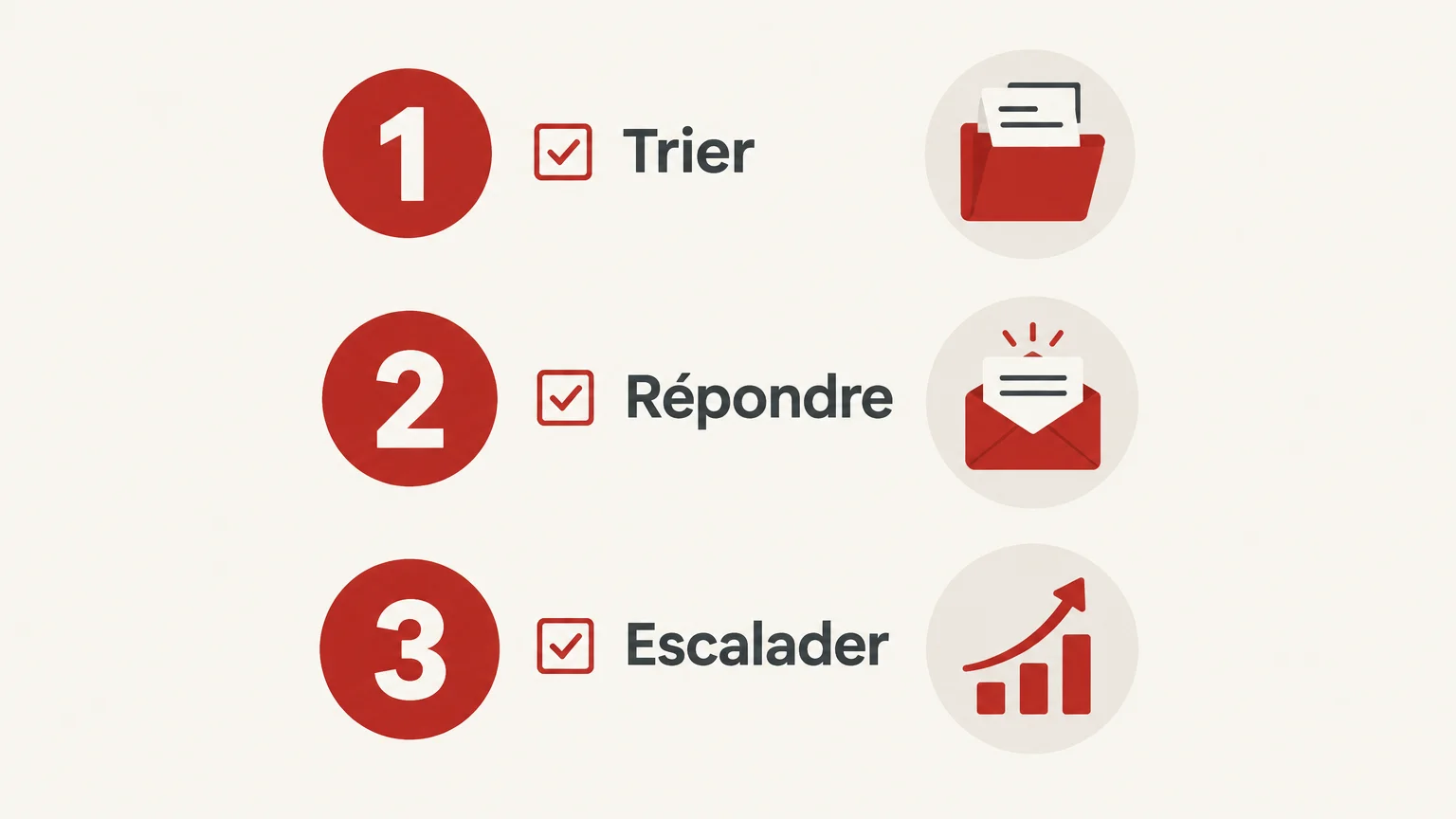
Set out guidelines that everyone on the team can apply. Distinguish between reasoned criticism, a service request, spam and abusive content. The criteria for hiding or deleting should be written down and consistent, so that moderation does not depend solely on the mood or experience of an individual team member.
- Classify the message by topic, urgency and level of risk.
- Reply publicly if a general answer also helps other readers.
- Escalate to the appropriate person in the event of a sensitive complaint, a threat or a crisis situation.
Specify your monitoring hours and target response times. Expectations are not the same for a routine question and a public accusation that could escalate. The 2020 US study on customer complaints found that 55% of respondents expected a reply to a complaint posted on social media. This older finding provides a historical benchmark, not a measure of current expectations.
In the event of a controversy, prepare a separate procedure: who checks the facts, who approves the response and who can pause scheduled posts? We set out the steps to manage a social media crisis.
Which Tool or Level of Support Should You Choose?
If you post on only a few accounts and receive few requests, a shared calendar and the platforms' native tools may be enough. As accounts multiply, a social media management tool can bring together scheduling, approvals and some of your interactions. Check, however, which platforms and which types of message are actually supported.
Before choosing, test the complete workflow: create a draft, get it approved, schedule it, find a reply and pass a request on to a colleague. Also check access rights, conversation history, moderation options and the reports available. A demo that only covers scheduling will not tell you whether the tool meets your team's needs.
The choice also depends on how much time you want to devote to execution. Software helps your team organise its work, whereas an outsourced service can include defining the editorial line, publishing at the agreed times and replying to comments and messages. In our service, the client approves the content and we handle the execution. We can also help you structure a social media strategy for a brand.
Which Metrics Should You Track After Publishing?
Measure both posting consistency and how interactions are handled. Track the number of posts published, the comments and messages received, the requests left unanswered and the response time. A weekly review is often enough to spot recurring questions and adjust upcoming content.
In its 2025 annual filing, Sprout Social states that 73% of consumers surveyed might buy from a competitor if a brand does not respond on social media. This figure comes from a survey cited by the company, not from observed purchases as a whole. It nonetheless highlights the value of appointing someone responsible and setting up a response process, then checking that it is followed.
Complement these metrics with the quality of the exchanges: did questions receive a clear answer? Were sensitive requests directed to the right channel? Do the same misunderstandings keep coming up? These observations help distinguish a calendar that is simply full from management that genuinely supports your relationship with your audience.
An Organisation That Links Content and Conversation
Managing posts and comments on social media relies on a coherent chain: planning content, defining who replies, moderating according to shared rules and reviewing results. Choose a tool based on your concrete tasks, then make sure the process safeguards the quality of replies as much as the consistency of posts.
Structure Your Social Media Presence
When planning, publishing and interactions take up too much time, outside support can clarify responsibilities and keep your editorial line consistent. We work on social media strategy and management, alongside content production according to your brand's needs.

Our service includes defining an editorial line and a calendar, publishing at the agreed times and replying to comments and messages. You approve the content, then we handle the execution. Pricing is quoted on request based on the volume of videos and the level of management required, with a minimum commitment of six months. To discuss your set-up, contact our social media agency.
Frequently Asked Questions
What should a social media editorial calendar include?
For each piece of content, list the network, topic, format, date, person responsible and approval status. Add any questions or follow-up actions to handle after publishing.
Should you reply to every comment?
Deal with questions, feedback and useful requests, and apply your rules to spam or abusive content. For a sensitive matter, move the conversation to a private channel without posting any personal data.
Can a social media management tool replace a community manager?
A tool makes scheduling and tracking easier, but it does not replace the judgement needed to understand a request or handle a delicate situation. Whether you need outside support depends on volume and the skills available in-house.
How do you measure the quality of replies to comments?
Track unanswered requests, response times and recurring topics. Also check whether replies are easy to understand and point people correctly towards a solution.
What does Esekai's social media service include?
We can take care of the editorial line, the calendar, publishing and replies to comments and messages. You approve the content before we handle the execution.