The Future of UGC Marketing: When Authenticity Goes Industrial

5 min de lecture
de lecture
Friday 22 May 2026
Écrit par
Lucas.M

Authentic UGC is becoming industrialised and losing effectiveness. Discover why discerning brands are shifting to human-AI hybrid approaches in 2025.

L'Avenir de l'UGC Marketing : Quand l'Authenticité Devient Industrielle | Esekai

The UGC that everyone's clamouring for in 2025 increasingly resembles thinly disguised advertising. 92% of consumers now detect sponsored content within 3 seconds according to the TikTok Consumer Trust 2024 study. The paradox: the more brands invest in "authentic" UGC, the less it works.

Platforms are overflowing with creators recycling the same formats, the same angles, the same hooks. Result: saturation that pushes audiences to scroll faster. This article explores why the future of UGC marketing no longer lies in the race for authenticity, but in an embraced hybrid approach. Based on our experience across 250+ supported campaigns, brands achieving the best results today intelligently blend user-generated content with studio creations.

⚡ In Brief

The future of UGC marketing relies on hybridisation: blending user-generated content with professional studio creations. Purely authentic UGC is becoming industrialised and losing its effectiveness against audiences who instantly detect repetitive sponsored formats.

Why Traditional UGC Is Reaching Its Limits

User-generated content is going through an authenticity crisis. Professional UGC creators now use the same templates, the same scripts, the same backdrops. This standardisation transforms UGC into conventional advertising format.

Algorithms amplify this phenomenon. TikTok and Instagram favour content that performs, pushing creators to reproduce recipes that work. This logic creates a uniformisation that destroys UGC's very essence: spontaneity.

Fatigue from Repetitive UGC Formats

Audiences are developing resistance to UGC codes that have become predictable. "I'm testing this product I saw on TikTok" or "POV: you discover this brand" are losing their impact.

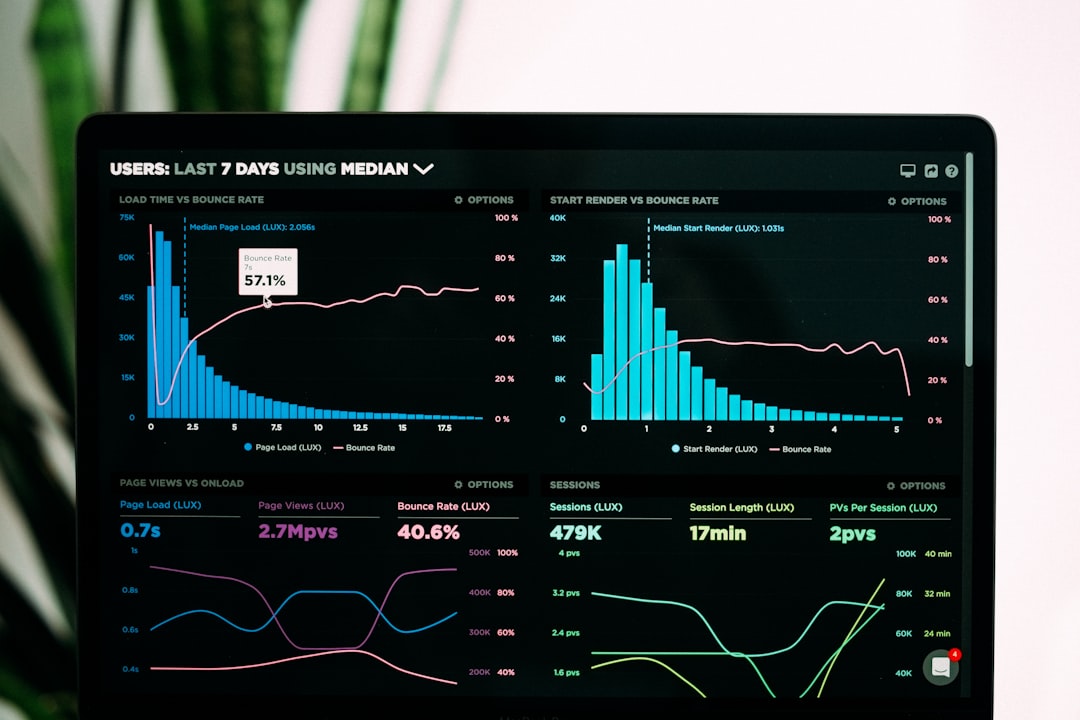
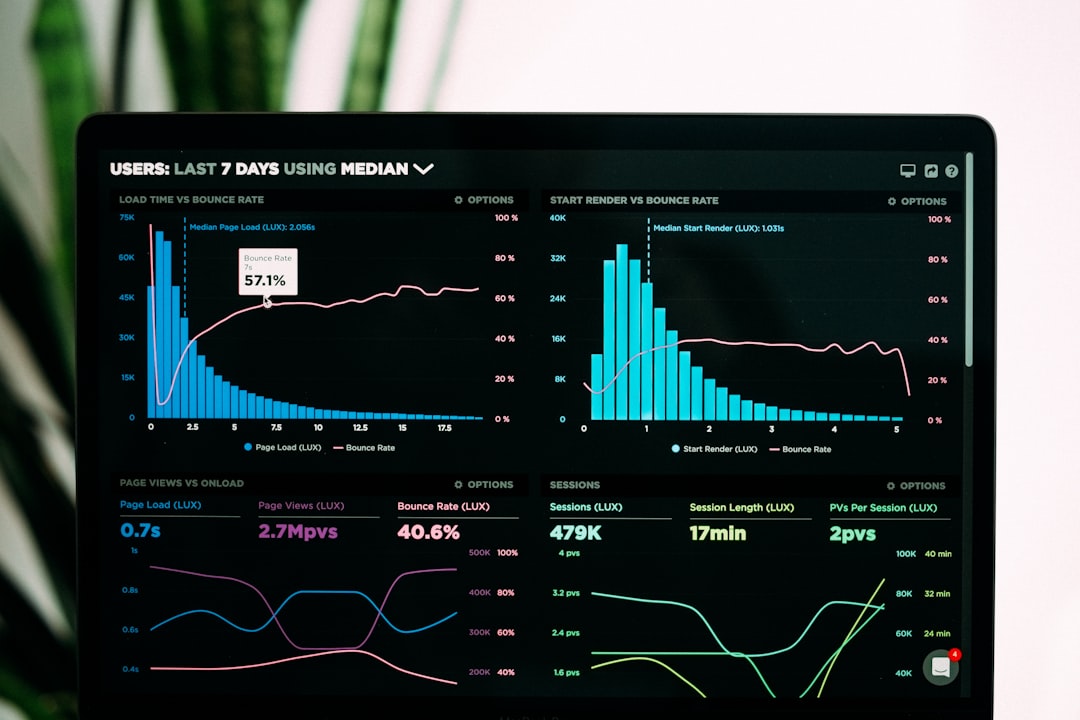
The metrics confirm this: engagement rates on standardised UGC content are falling by 15 to 25% depending on sector. Scroll rates are increasing, audiences spend less time on each video. Attention is dispersing towards less expected formats.

Brands that persist with traditional UGC approaches see their creative ads stagnate in performance. CPMs increase, conversions decrease.

The Industrialisation of UGC Creators

UGC creators have become professionals of authenticity. They master persuasion techniques, optimise their settings, recycle their angles. This professionalisation erodes credibility.

A UGC creator today produces 20 to 40 pieces of content per month for different brands. Impossible to maintain genuine authenticity at this pace. Audiences feel this industrial approach.

Platforms like TikTok Creator Marketplace facilitate this industrialisation by standardising briefs, deliverables, and formats. The process becomes mechanical, emotion disappears.

The Emergence of Human-AI Hybrid Content

L'émergence du contenu hybride humain-IA - avenir UGC marketing | Esekai
The emergence of human-AI hybrid content

Faced with the limitations of traditional UGC, a new approach is emerging: hybrid content. This strategy blends human creativity with artificial intelligence tools to produce novel formats.

Hybridisation doesn't involve replacing humans with AI, but augmenting creative capabilities. AI generates concepts, visuals, and variations. Humans bring emotion, storytelling, and brand coherence.

How AI Transforms UGC Creation

Artificial intelligence multiplies creative possibilities. It generates dozens of variations on the same concept, tests unexplored angles, and proposes unexpected associations.

Tools like Runway, Pika Labs, or Stable Video enable the creation of visual content impossible to produce manually. A product can be integrated into fantastical environments, surreal situations, spectacular staging.

Our UGC production progressively integrates these tools to create content that breaks from traditional codes. The objective: surprise audiences accustomed to standardised formats.

Transparency as a Competitive Advantage

Unlike UGC that claims authenticity, hybrid content embraces its produced nature. This transparency becomes an asset in an environment saturated with pretence.

Brands that communicate clearly about their creative process gain credibility. "Created with AI", "Studio-produced", "Original concept": these mentions reassure more than they repel.

Audiences appreciate honesty. They prefer assumed creative content over artificially authentic UGC. This evolution redefines the codes of influence marketing.

New Hybrid Formats That Perform

Several hybrid formats are emerging and outperforming traditional UGC. AI-to-real transitions where a product moves from an artificial universe to an authentic environment capture attention.

Augmented comparisons use AI to visualise invisible benefits: a cream that repairs skin in accelerated time-lapse, a supplement that improves energy with visual effects.

Our creative studio develops these new visual languages. The objective: create emotion without claiming raw authenticity.

Pioneer Brands of the Hybrid Approach

Les marques pionnières de l'approche hybride - avenir UGC marketing | Esekai
Pioneer brands of the hybrid approach

Some brands are already successfully experimenting with this hybridisation. They're abandoning the pursuit of pure authenticity to create memorable visual experiences.

These pioneers don't hesitate to blend user-generated content, studio creations, and artificial intelligence. Their strategy: diversify formats to maintain audience attention.

The Sector-by-Sector Approach

Each sector develops its own hybrid codes. In cosmetics, brands use AI to visualise skin transformations impossible to film naturally.

In fashion e-commerce, hybridisation enables showing clothes in fantastical contexts: virtual catwalks, surreal staging, unexpected style combinations.

Food brands explore accelerated product-to-finished-dish transitions, ingredient visualisations in motion, gustatory staging impossible to achieve physically.

Results Measured Over 6 Months

Early data shows superiority of hybrid content over traditional UGC. Engagement rates are recovering, viewing times are extending.

Production costs remain controlled thanks to partial automation of the creative process. AI reduces brainstorming time, multiplies variations, and accelerates iterations.

This efficiency enables brands to increase distribution frequency without exploding budgets. A particularly relevant strategy for multi-platform campaigns.

Transition Strategies for Established Brands

Moving from traditional UGC to a hybrid approach requires strategic recalibration. Brands cannot abruptly abandon their loyal creators nor their accustomed audiences.

The transition is organised progressively: A/B testing between classic UGC and hybrid content, team training on new tools, adaptation of creative briefs.

Phase 1: Testing Without Cannibalising

The first step involves experimenting with hybridisation without disrupting existing campaigns. Allocating 20% of creative budget to hybrid tests enables measuring impact without risking overall performance.

These tests focus on specific audience segments, particular products, defined periods. The objective: quantify the performance gap between traditional and hybrid approaches.

Our support across 250+ campaigns shows this testing phase typically lasts 3 to 4 months. Brands need time to familiarise themselves with new formats.

Phase 2: Training Internal Teams

Adopting hybrid content requires new skills. Marketing teams must understand AI possibilities, master generation tools, and adapt their creative briefs.

This training isn't limited to technical aspects. It includes reflection on new aesthetic codes, audience expectations, and appropriate measurement metrics.

Specialised studios support this skills development by training internal teams on hybrid tools and methodologies.

Phase 3: Progressive Industrialisation

Once tests are validated and teams trained, industrialisation can begin. It involves systematising hybrid production whilst maintaining awareness of technological developments.

This industrialisation relies on defined workflows: brief → AI concept → human validation → production → optimisation. Each step integrates specific tools and quality criteria.

The final objective: produce hybrid content at high frequency without losing creativity or brand coherence.

Mistakes Too Many British Brands Still Make

⚠️ Common Errors

Despite warning signals, many brands persist with obsolete UGC approaches. These errors cost dearly in performance and budget.

The "always more UGC" error: believing that increasing UGC volume will compensate for declining effectiveness. This logic leads to audience saturation and exploding costs.

The fake authenticity trap: asking creators to "play" authenticity rather than embrace content's advertising nature. This approach discredits the brand.

Cost per view obsession: optimising solely on visibility metrics without measuring qualitative engagement or sales impact. A viewed but ignored video generates no business results.

Resistance to new formats: refusing experimentation for fear of losing existing audience. This timidity condemns brands to suffer traditional UGC's declining effectiveness.

Lack of differentiated measurement: applying the same KPIs to traditional UGC and hybrid content. These formats require specific metrics to reveal their potential.

Inadequate briefing: using the same creative guidelines for UGC and hybrid content. This approach limits innovation and maintains creators in obsolete patterns.

How to Measure Results

📊 How to Measure

Measuring hybrid content requires adapted KPIs that go beyond traditional UGC metrics. The objective: quantify real business impact, not just visibility.

Qualified engagement metrics: measure average viewing time, replay rates, traffic-generating interactions. In TikTok Ads Manager, track watch time and completion rate rather than simple views.

Multi-touch attribution: trace complete user journey from first content exposure to conversion. Google Analytics 4 enables this analysis with conversion paths and attribution models.

Creative A/B testing: systematically compare performance between traditional UGC and hybrid content on similar audiences. Meta Ads Manager facilitates these tests with creative split tests.

Memorisation metrics: use tools like Kantar or Ipsos to measure new formats' impact on brand awareness and purchase intention. This data complements digital metrics.

Adjusted ROI: calculate return on investment integrating training, tooling, and experimentation costs. This approach gives realistic insight into hybrid content profitability.

Sectoral benchmarks: compare performance to your industry standards rather than historical UGC campaign results. New formats create new reference points.

Frequently Asked Questions

Q.Will traditional UGC completely disappear?
No, traditional UGC retains its place for certain objectives: authentic customer testimonials, community content, spontaneous social proof. But its direct advertising role is diminishing in favour of more creative and embraced hybrid approaches.
Q.How do I explain this evolution to loyal UGC creators?
Evolution towards hybrid represents an opportunity to broaden their skills. Creators who master AI tools whilst retaining their human sensitivity become more valued. It's about augmenting their creative potential, not replacing them.
Q.What budget should I allocate to hybrid experimentation?
Start with 15-20% of your total creative budget for hybrid tests. This proportion allows experimentation without compromising existing performance. Adjust based on results obtained over 3-6 months of experimentation.
Q.Are AI tools accessible to small brands?
Yes, many creative AI tools offer affordable packages: Runway from $15/month, Canva Magic Design, Adobe Firefly. The main investment concerns team training and creative process adaptation.
Q.How do I measure hybrid content authenticity?
Hybrid content authenticity isn't measured by spontaneity but by transparency and coherence with brand DNA. Audiences appreciate honesty about the creative process more than authenticity simulation.
Q.Which sectors are adopting the hybrid approach fastest?
Tech, cosmetics, and fashion sectors pioneer hybridisation thanks to young audiences open to innovation. More traditional sectors follow progressively, attracted by efficiency gains measured amongst precursors.
Q.Does hybridisation work on all platforms?
TikTok and Instagram Reels naturally adapt to hybrid content thanks to algorithms favouring creative innovation. YouTube Shorts follows this trend. LinkedIn and Facebook require more progressive and contextual approaches.
Q.How do I train an internal team for these new approaches?
Start by training 1-2 people on creative AI tools, then organise experience-sharing sessions. Collaborate with specialised studios to accelerate skills development and avoid costly learning errors.

Key Takeaways

Summary

Key takeaways

  • Test the hybrid approach on 15-20% of your creative budget to measure performance differential
  • Train your teams on creative AI tools whilst retaining human expertise in storytelling
  • Embrace the creative dimension of your content rather than simulating artificial authenticity
  • Adapt your measurement metrics to hybrid content specificities to reveal their potential
Esekai · Vertical video studio

Want to go further?

Let's discuss your transition strategy towards hybrid content

Book an appointment →

Related Articles

Ici, on aide les marques à avoir des résultats !