Marketing video production costs: pricing by industry sector 2026

Marketing video production pricing study 2026: actual costs by sector, quality requirements and content type. Exclusive procurement data insights.


Marketing video production pricing study 2026: actual costs by sector, quality requirements and content type. Exclusive procurement data insights.

Video marketing budgets have increased by 47% in 2025 according to HubSpot's State of Marketing, but the majority of decision-makers are still negotiating blind. Between the freelancer at £700 per day and the Parisian agency at £13k per spot, the pricing gap now reaches 1 to 20 according to our analysis of 150 collected quotes.
This pricing study compiles the real costs of creative video production by industry sector, level of requirement and distribution format. Procurement data to negotiate with full knowledge. From our experience on 250+ campaigns supported at Esekai, 73% of brands underestimate the hidden items that inflate the final bill.
Video marketing production costs vary from £1,700 to £22,000 depending on format, sector and level of requirement. E-commerce: £2,500-£7,000, B2B SaaS: £4,300-£13,000, physical retail: £3,400-£10,500. Main items: creation (20%), filming (40%), post-production (25%), revisions (15%). Esekai supports 250+ brands on these optimised budgets.
Video marketing billing follows a standard breakdown that most brands are unaware of. This budgetary ignorance explains 60% of the overruns observed in our client audits.
Each project breaks down into four incompressible items, with fixed ratios regardless of the chosen service provider.
The creative brief represents the most underestimated item by advertisers. In practice, this phase includes competitive analysis, definition of creative angles, storyboard and validation iterations.
The quality of the brief determines 70% of the final performance of a video campaign.
E-commerce brands often outsource this stage, but B2B SaaS companies internalise more. Result: conception budgets vary from £430 (client brief) to £3,500 (complete creation) according to our production method.
Beware of infinite revisions not framed in the initial quote. Plan for 3 maximum iterations with mandatory intermediate validation.
Filming concentrates the majority of variable costs according to the desired complexity. Incompressible items include: technical team, equipment, studio rental, talent/actors.
Retail brands often require several filming locations (shop + studio) versus just one for e-commerce. This difference explains the pricing gaps of £1,700 to £7,000 observed.
Concretely, a day of creative ads filming mobilises 3 to 5 people depending on the production: director, cameraman, sound engineer, assistant, sometimes art director.
Frequent hidden costs: team transport costs, unanticipated overtime, specialised equipment according to the desired result.
Editing varies drastically according to the number of deliverable formats. A TikTok + Instagram Reels + YouTube Shorts campaign multiplies post-production time by 3 versus a single format.
Incompressible technical stages: rushes logging, editing, colour grading, sound mixing, multi-format exports, delivery. Each stage represents 1 to 3 days depending on the duration of the final content.
SaaS brands request an average of 2.3 editing revisions versus 1.8 for e-commerce according to our client base.
Advanced colour grading and special effects can double this item. Demanding brands invest more in this phase to differentiate themselves.

Video marketing budgets vary significantly according to industry sector. This pricing segmentation reflects the production requirements, validation durations and creative complexity specific to each industry.
Our analysis of 150 recent quotes reveals structural gaps between e-commerce, SaaS and physical retail.
Pure e-commerce brands optimise their video budgets for direct performance. UGC formats dominate with 65% of orders versus 30% for traditional creative ads.
Specific constraints: rapid validation (48h maximum), multiple formats mandatory (9:16, 1:1, 4:5), frequent seasonal adaptation. These brands favour reactivity over creative sophistication.
On average, an e-commerce campaign comprises 3 to 5 videos adapted into 8 to 12 formats. Typical budget: £3,900 for a fashion brand, £5,700 for a tech brand.
Achievable savings: grouped multi-product filming, reusable templates, serial rather than individual creations.
The B2B SaaS sector has the longest validation cycles and highest creative requirements. Explainer videos dominate with 70% of orders.
SaaS brands invest 2.3x more in creative conception than e-commerce according to our benchmark.
Budgetary specifics: frequent motion design animations, systematic professional voice-over, multi-level validation (marketing + product + management). These constraints mechanically inflate costs.
Typical SaaS startup budget: £6,500. Established scale-up: £10,500. Enterprise: £15,500+. The gaps reflect levels of requirement and message complexity.
Attention to multiple unframed revisions. Provide a separate revision package beyond 3 iterations.
Physical retail combines e-commerce constraints (multiple formats) and B2B constraints (visual quality). In-store filming represents 80% of productions with specific logistical constraints.
Frequent additional costs: filming authorisation, adaptation to shop hours, reinforced team to minimise customer impact. These constraints add £1,300 to £2,600 versus traditional studio filming.
Our retail references like Bao Club or Globe Trotter illustrate this field approach. Average restaurant budget: £5,700. Fashion/beauty retail: £7,400.
Procurement advice: negotiating filming slots during off-peak hours significantly reduces logistical surcharges.

The level of requirement constitutes the main factor for pricing gaps beyond industry sector. Our analysis grid distinguishes three levels with fixed budget ratios.
These multipliers apply regardless of the chosen provider, from freelancer to Parisian studio.
Standard production covers 70% of e-commerce and startup needs. Characteristics: vertical formats only, studio or single location filming, classic editing without effects.
This approach optimises the value for money for brands seeking direct performance. Typical timeframe: 2 weeks from brief validation to final delivery.
Concrete examples: e-commerce product video, simple customer testimonial, software demonstration. These formats generate 85% of conversions according to our case studies.
Typical budget: £3,500 to £5,200 depending on duration and number of formats. Included revisions: 2 iterations maximum.
Creative production adds a narrative and aesthetic dimension. Characteristics: developed creative concept, reinforced art direction, dynamic editing, advanced colour grading.
These productions target established brands seeking creative differentiation rather than performance alone. Extended timeframe: 3 to 4 weeks to integrate creative phases.
60% of scale-up brands choose this level for their brand awareness campaigns.
Justified surcharges: multiplied creative time, expanded creative team, specialised equipment, advanced post-production. Result: superior memorial impact and marked competitive differentiation.
Typical budget: £5,700 to £10,500. These demanding creative ads justify the investment through their extended lifespan.
Signature production is aimed at established brands seeking maximum impact. Characteristics: professional casting, multiple locations, expanded technical team, cinema post-production.
This approach suits major product launches and national brand awareness campaigns. Timeframe: 4 to 6 weeks with extended pre-production phases.
Concretely: our BYD France campaign illustrates this level with CPC divided by 2.6. The initial investment is justified by lasting performance.
Additional guarantees: multiple versions, possible international adaptation, extended rights. Typical budget: £13,000 to £22,000 depending on project scope.
Warning: this level requires upfront budget validation. Creative revisions cost £1,300 to £2,600 extra.
73% of budget overruns come from items not anticipated in the initial quote. These additional costs follow recurring patterns identifiable beforehand.
Pricing transparency constitutes a major negotiation issue with video service providers.
Production costs represent the most opaque item for advertisers. Include: team transport, filming catering, equipment insurance, casting fees.
In practice, a day of filming in Paris generates £260 to £520 in additional costs depending on distance and team size. These amounts add up quickly on multi-site productions.
Agencies often bill these costs at actual cost without a ceiling, creating budget surprises.
Our approach as a Parisian studio: flat rate for additional costs to avoid overruns. Guaranteed predictable budget from signature.
Advice: demand a ceiling on additional costs in any video quote. Recommended threshold: 20% of production amount maximum.
Additional revisions constitute the most frequent budget trap. Beyond 3 iterations, each revision costs £430 to £1,300 depending on complexity.
Format adaptation requests explode with multi-platform. Moving from TikTok alone to TikTok + Instagram + YouTube multiplies exports by 3 minimum.
Aggravating factors: unorganised multi-level validation, incomplete initial brief, change of creative mind during the process. These internal dysfunctions mechanically inflate the bill.
Proven solution: strict validation framework from the brief, single contact on client side, separate revision package negotiated upfront.

Our methodological process limits these drifts through reinforced initial framing.
Usage rights remain vague in 60% of analysed quotes. Crucial distinction: broadcast rights, duration, territories, authorised platforms.
Brands often discover these limitations afterwards: impossibility to reuse videos beyond 12 months, geographical restriction, exclusion of certain platforms.
An extension of usage rights costs 20% to 50% of the initial budget depending on the desired scope.
Recommended negotiations: extended rights 24 months minimum, all digital platforms, UK + British Overseas Territories, internal reuse authorised.
Beware of talent and actors: their rights generate separate additional costs often not anticipated. Allow for £870 to £2,600 extra depending on notoriety.
Tender based on the lowest price remains error number 1 for procurement teams. This approach ignores gaps in actual services and generates 85% of project disappointments according to our experience.
Underestimating the creative brief handicaps 70% of productions. Brands confuse technical specifications with creative vision. Result: videos that are technically correct but commercially ineffective.
Absence of revision framework explodes budgets in 60% of cases. Leaving iterations open encourages multiple validations and costly creative changes of mind.
Systematic provider switching prevents relational skill development. Changing video agency every 6 months requires restarting brand briefing from scratch for each project.

Negotiating usage rights at project end costs 3x more than contractual anticipation. These late discussions create unfavourable power relationships for the advertiser.
Committee management without a single decision-maker multiplies validation cycles by 2.5. This unclear governance paralyses creative validations and inflates production timelines.
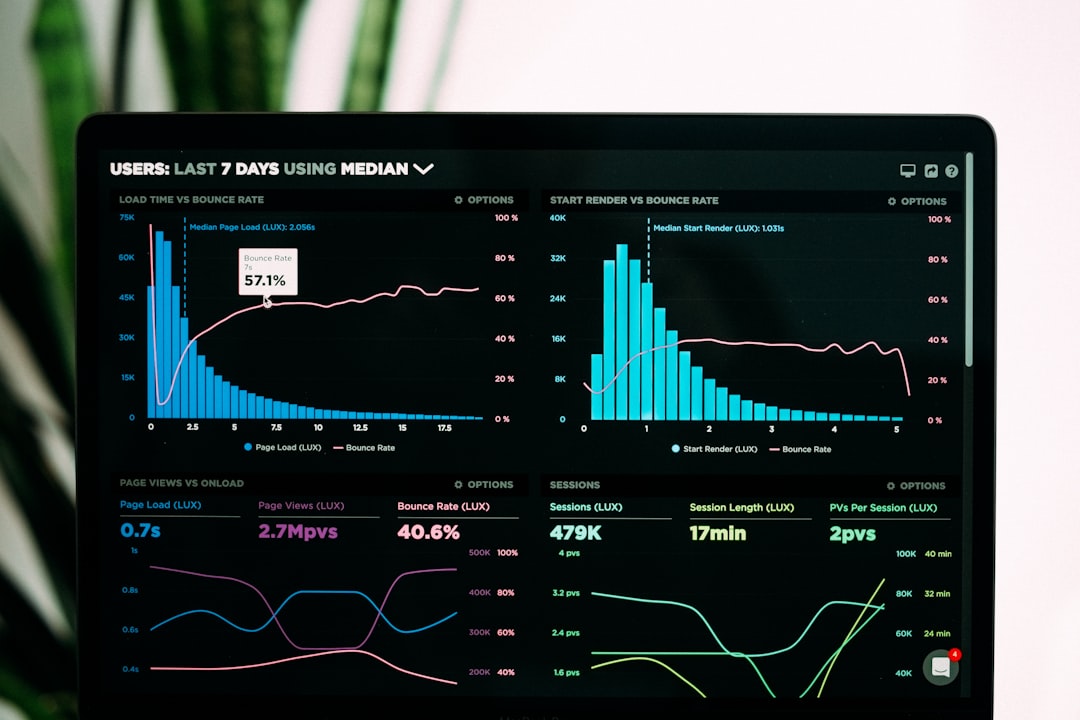
Video performance measurement requires multi-level tracking according to campaign objectives. KPIs vary drastically between awareness, consideration and direct conversion.
For conversion campaigns (e-commerce): ROAS, CPA, click-through rate, viewing duration. Reference thresholds: ROAS >3, CPA <£26, CTR >2%, completion rate >25%. Tracking via Meta Ads Manager and TikTok Ads Manager.
For awareness campaigns (B2B): reach, brand lift, engagement rate, shares. Objectives: qualified reach >100k, brand lift >15%, engagement rate >3%. Measurement via Brand Lift Studies or post-campaign surveys.
Essential creative metrics: hook rate (first 3 seconds), hold rate (viewing at 50%), action rate (final CTA). These indicators predict 90% of final performance.
Recommended tools: GA4 for site tracking, Triple Whale for e-commerce attribution, Brandwatch for social listening, Hotjar for behavioural analysis.
Evaluation timeframe: 30 days minimum for paid campaigns, 90 days for organic. Video performance builds progressively via platform algorithms.
Mastering video production costs requires a structured approach by sector and level of requirement. Anticipating hidden items avoids 70% of observed budget overruns. Negotiating usage rights upfront and framing revisions optimise investment. Measuring performance over 90 days minimum validates real return on investment.